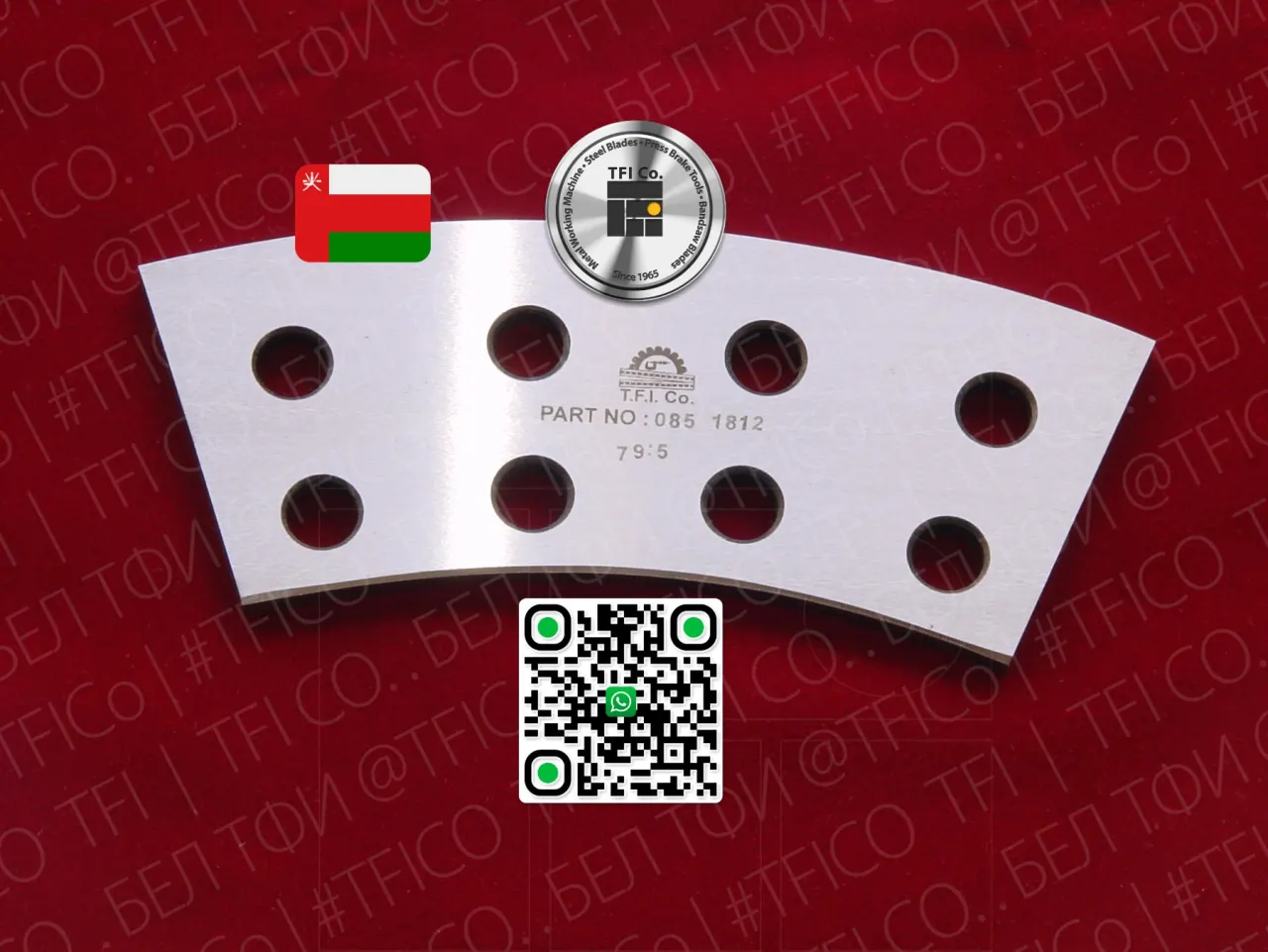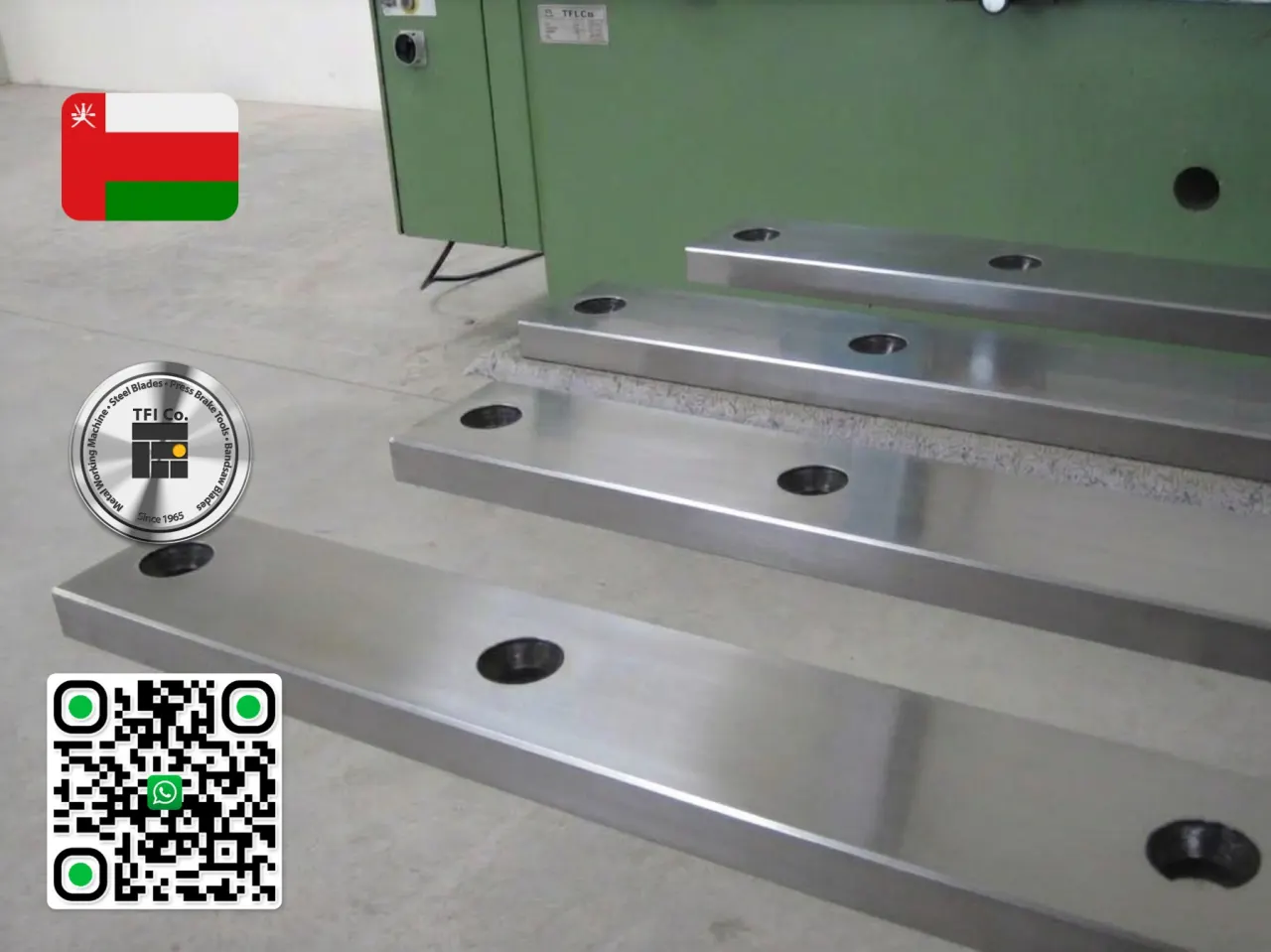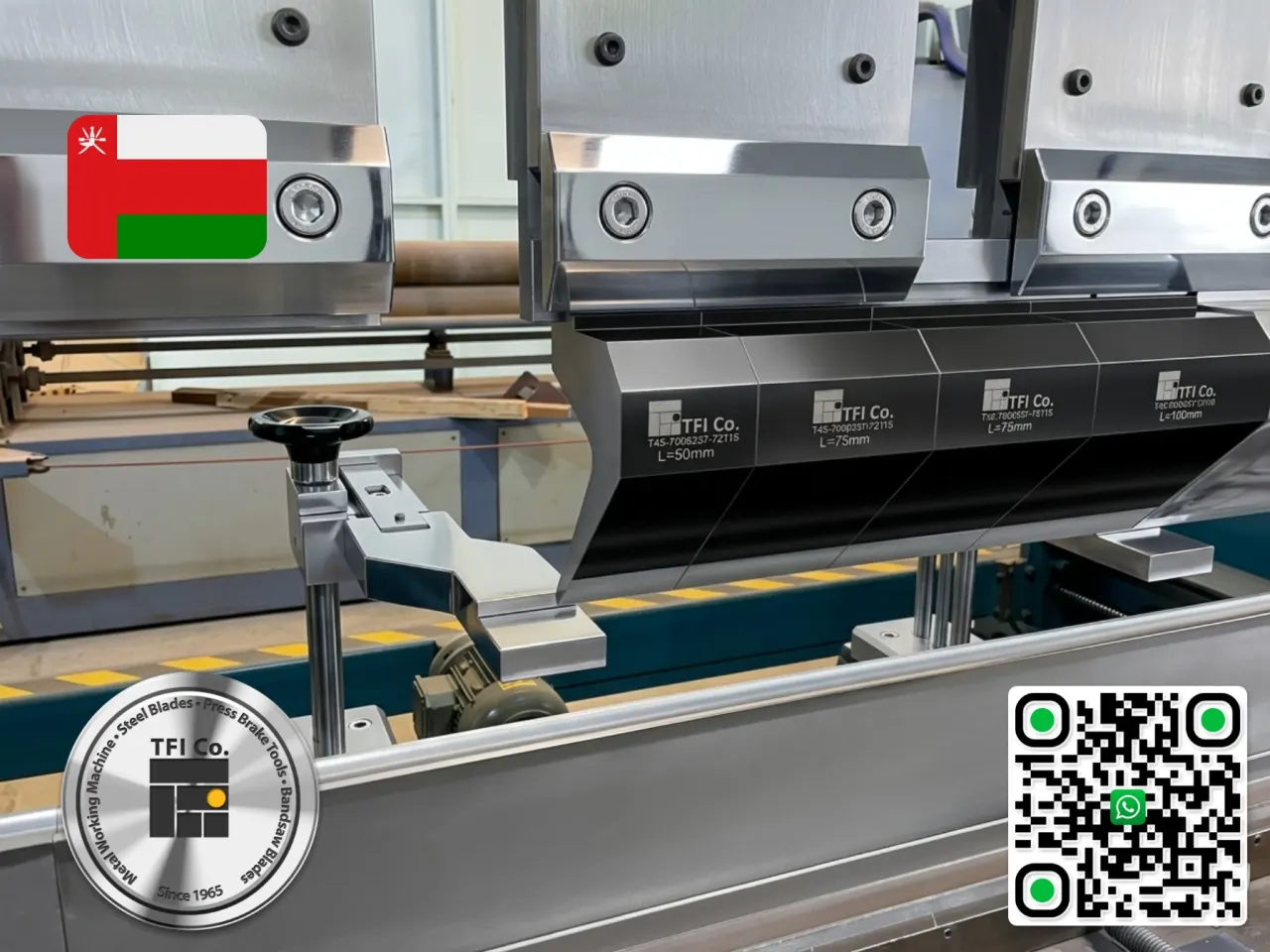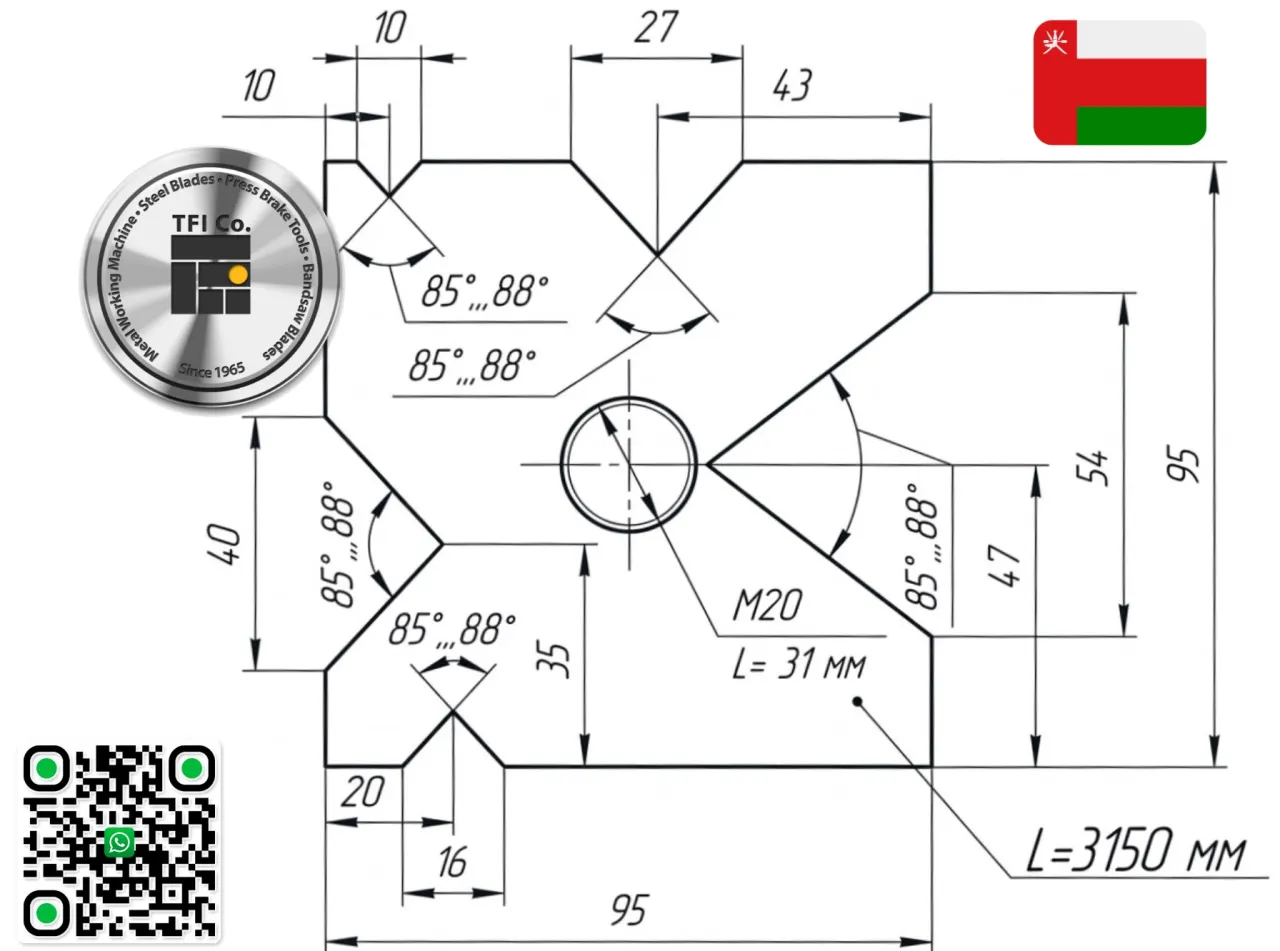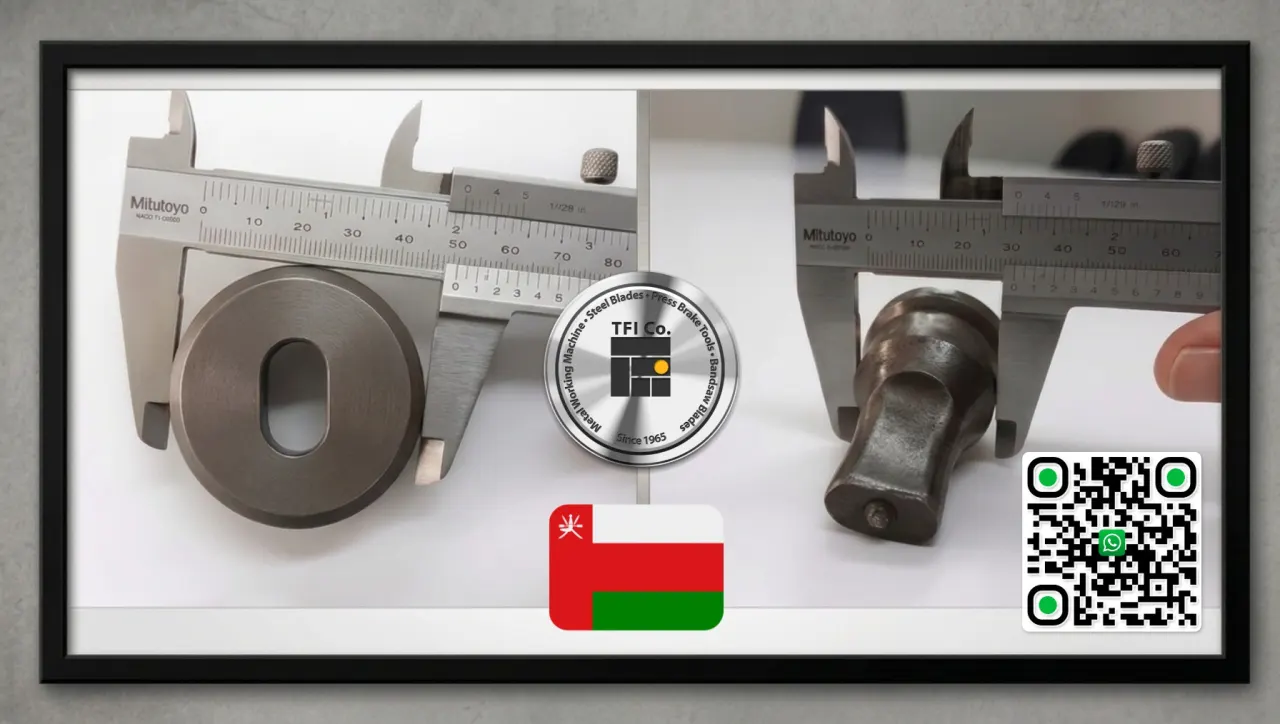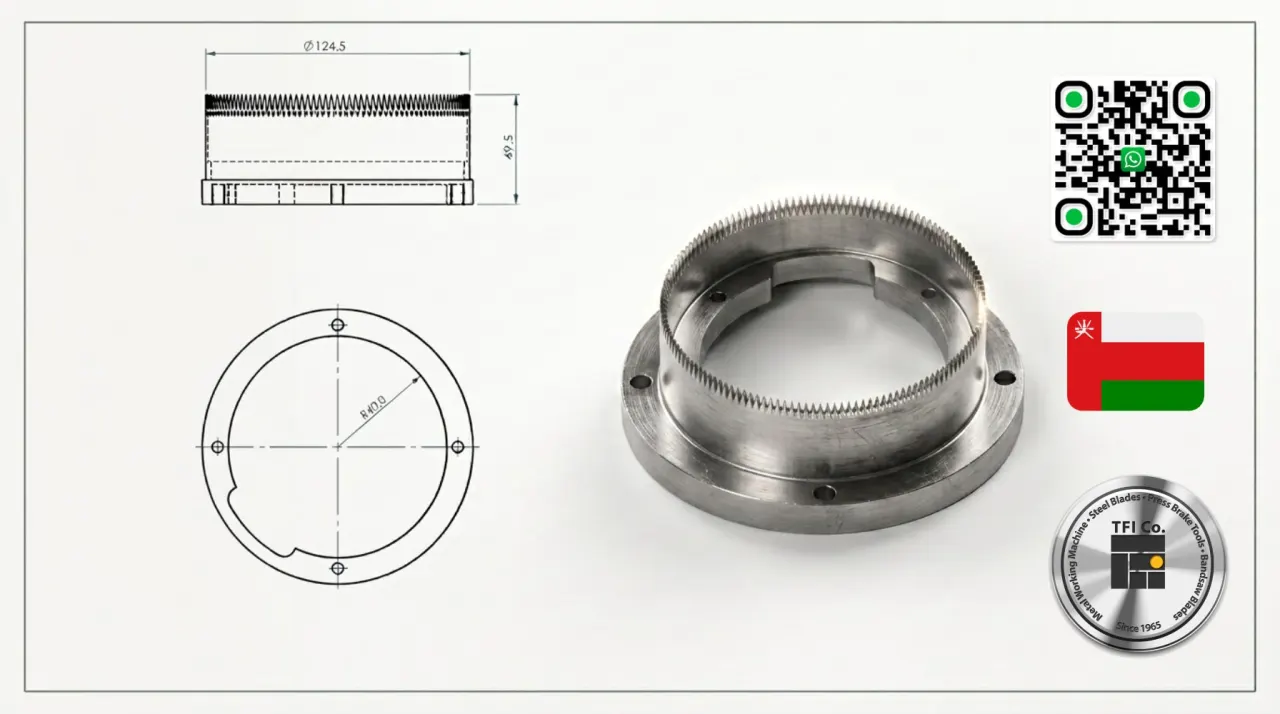
Curved Arc Knives for Industrial Carton Machines, Oman

Curved Arc Knives for Industrial Carton Machines, Oman

Arc Knives Curve for Carton Industrial Machines

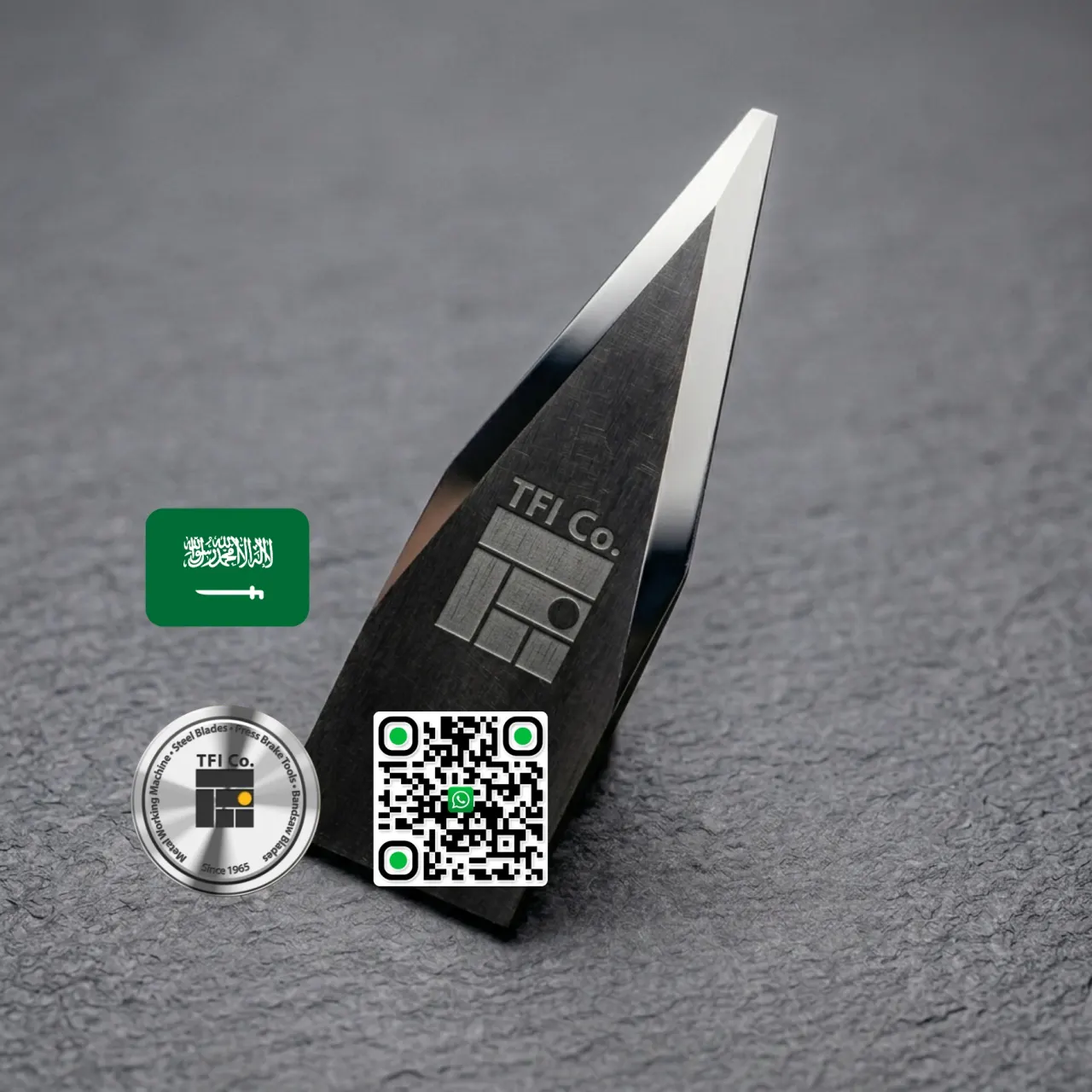
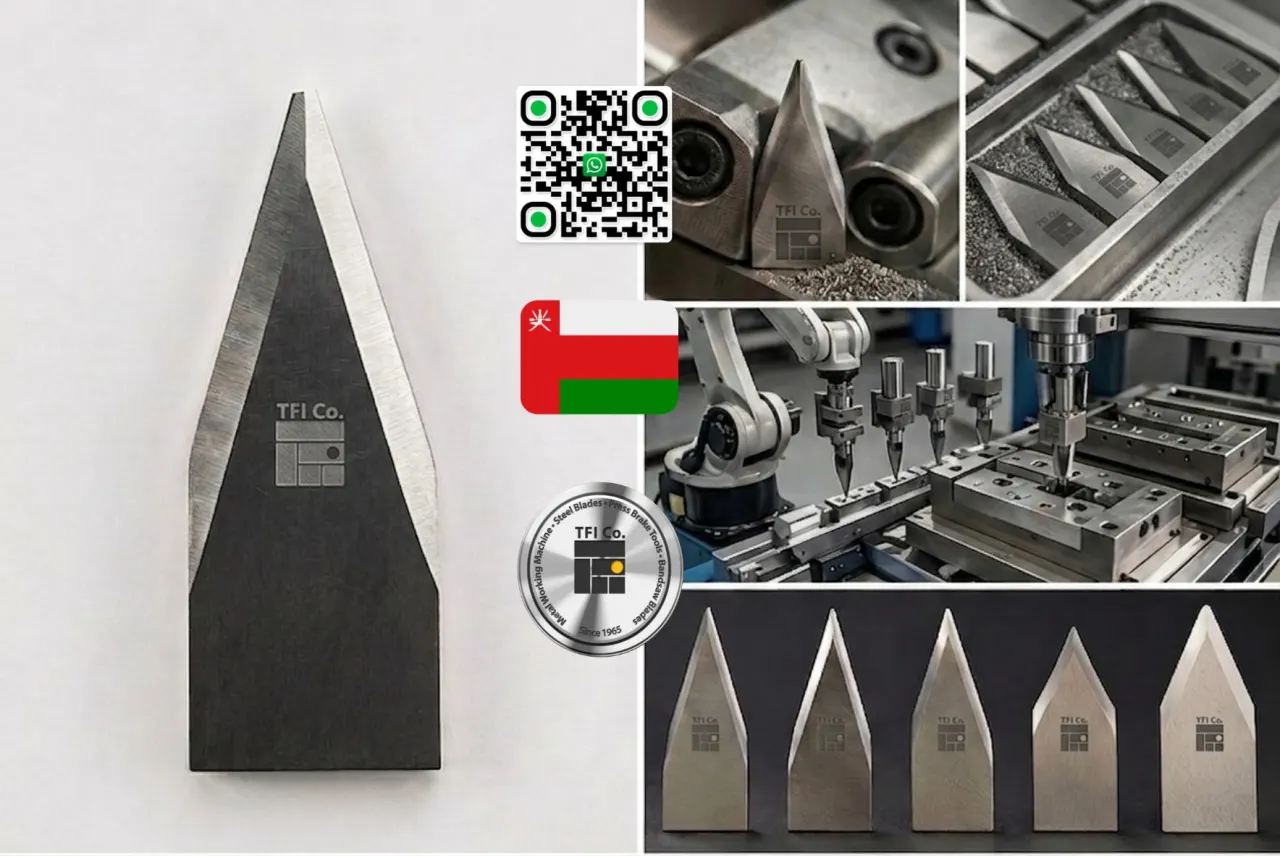
Arc knives curve for carton industrial machines stand out as among the most critical cutting components in high-volume corrugated cardboard production.

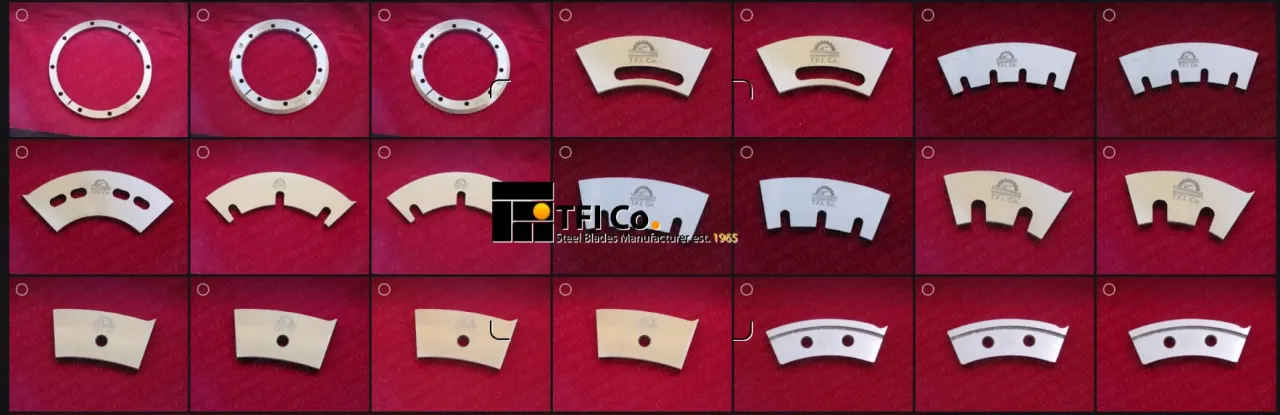
Designed precisely as a segment of a circle (sector), these specialized blades are primarily utilized in slotter machines and carton-converting systems to create slots, creases, and precise cuts on box flaps. Today, a modern packaging manufacturing plant can use blades made by TFI Co. to ensure maximum efficiency. High-performance arc slotting knives made by TFI Co. are specifically engineered to fit seamlessly into advanced automatic converting lines.

Structural Features & Performance

In the packaging industry, cutting multi-wall corrugated board without deforming or tearing the cellulose fibers is highly critical. Arc-shaped blades deliver this clean performance through specific geometric advantages:

  • Precise Rotary & Cradle Motion: The curvature of these blades is engineered to sync perfectly with the rotating cylinders of slotter machines, executing the slotting process with minimal friction and heat buildup.
  • Tooth Design: The cutting edges are usually configured with serrated or crescent teeth to smoothly penetrate various board thicknesses (single, double, or triple-wall fluting).
  • Waste Reduction: By distributing the cutting force uniformly along the curved edge, the blades prevent crushing or fraying the cardboard edges.

Material Performance and Applications

The material composition directly dictates the blade’s lifespan, wear resistance, and sharpening intervals. Different production environments require distinct material properties to balance performance and longevity:

  • Tungsten Carbide: Featuring a supreme hardness range of 85 to 92 HRC, tungsten carbide blades offer unmatched wear resistance. They hold a sharp edge up to 10 times longer than standard steel options, making them the absolute best choice for high-speed automated production lines handling abrasive, heavy-duty, or recycled corrugated boards.
  • High-Speed Steel (HSS): With a hardness range of 62 to 68 HRC, high-speed steel provides a fantastic balance between edge hardness and physical toughness. Its excellent impact resistance protects against sudden shocks, making it highly suitable for general slotting operations running at medium speeds.
  • Alloy Tool Steel (such as D2 or SKD-11): Operating within a hardness range of 58 to 62 HRC, alloy tool steels are highly cost-effective and significantly easier to resharpen in-house. These blades are best utilized for standard packaging runs and low to moderate production volumes where frequent setup changes occur.

Maintenance & Production Impact

Opting for premium arc blades treated with advanced manufacturing techniques, like vacuum heat treatment, drastically cuts down unexpected machinery downtime.

Because raw cardboard fibers contain highly abrasive minerals, routine care is mandatory. Cleaning off residual adhesive or dust, monitoring alignment between the upper male blades and lower female anvils, and sharpening at scheduled intervals guarantees clean box folding and structural integrity.

Curved Arc Knives for Carton Machines

Curved Arc Knives for Carton Machines

Arc knives curve for carton industrial machines, standing out as among the most critical cutting components in high-volume corrugated cardboard production.

Designed precisely as a segment of a circle (sector), these specialized blades are primarily utilized in slotter machines and carton-converting systems to create slots, creases, and precise cuts on box flaps. Today, a modern packaging manufacturing plant can use blades made by TFI Co. to ensure maximum efficiency. High-performance arc slotting knives made by TFI Co. are specifically engineered to fit seamlessly into advanced automatic converting lines.

Structural Features & Performance

In the packaging industry, cutting multi-wall corrugated board without deforming or tearing the cellulose fibers is highly critical. Arc-shaped blades deliver this clean performance through specific geometric advantages:

  • Precise Rotary & Cradle Motion: The curvature of these blades is engineered to sync perfectly with the rotating cylinders of slotter machines, executing the slotting process with minimal friction and heat buildup.
  • Tooth Design: The cutting edges are usually configured with serrated or crescent teeth to smoothly penetrate various board thicknesses (single, double, or triple-wall fluting).
  • Waste Reduction: By distributing the cutting force uniformly along the curved edge, the blades prevent crushing or fraying the cardboard edges.

Material Performance and Applications

The material composition directly dictates the blade’s lifespan, wear resistance, and sharpening intervals. Different production environments require distinct material properties to balance performance and longevity:

  • Tungsten Carbide: Featuring a supreme hardness range of 85 to 92 HRC, tungsten carbide blades offer unmatched wear resistance. They hold a sharp edge up to 10 times longer than standard steel options, making them the absolute best choice for high-speed automated production lines handling abrasive, heavy-duty, or recycled corrugated boards.
  • High-Speed Steel (HSS): With a hardness range of 62 to 68 HRC, high-speed steel provides a fantastic balance between edge hardness and physical toughness. Its excellent impact resistance protects against sudden shocks, making it highly suitable for general slotting operations running at medium speeds.
  • Alloy Tool Steel (such as D2 or SKD-11): Operating within a hardness range of 58 to 62 HRC, alloy tool steels are highly cost-effective and significantly easier to resharpen in-house. These blades are best utilized for standard packaging runs and low to moderate production volumes where frequent setup changes occur.

Maintenance & Production Impact

Opting for premium arc blades treated with advanced manufacturing techniques (like vacuum heat treatment) drastically cuts down unexpected machinery downtime. Because raw cardboard fibers contain highly abrasive minerals, routine care is mandatory. Cleaning off residual adhesive or dust, monitoring alignment between the upper male blades and lower female anvils, and sharpening at scheduled intervals guarantees clean box folding and structural integrity.

Curved Arc Knives for Industrial Carton Machines

Curved Arc Knives for Industrial Carton Machines

Arc-shaped knives for industrial carton machines stand out as some of the most critical cutting components in high-volume corrugated cardboard production. Designed precisely as a segment of a circle (sector), these specialized blades are primarily used in slotter machines and carton-converting systems to create slots, creases, and precise cuts on box flaps. Today, a modern packaging manufacturing plant can use blades made by TFI Co. to ensure maximum efficiency. High-performance arc slotting knives made by TFI Co. are specifically engineered to fit seamlessly into advanced automatic converting lines.

Structural Features & Performance

In the packaging industry, cutting multi-wall corrugated board without deforming or tearing the cellulose fibers is highly critical. Arc-shaped blades deliver this clean performance through specific geometric advantages:

  • Precise Rotary & Cradle Motion: The curvature of these blades is engineered to sync perfectly with the rotating cylinders of slotter machines, executing the slotting process with minimal friction and heat buildup.
  • Tooth Design: The cutting edges are usually configured with serrated or crescent teeth to smoothly penetrate various board thicknesses (single-wall, double-wall, or triple-wall fluting).
  • Waste Reduction: By distributing the cutting force uniformly along the curved edge, the blades prevent crushing or fraying of the cardboard edges.

Material Performance and Applications

The material composition directly dictates the blade’s lifespan, wear resistance, and sharpening intervals. Different production environments require distinct material properties to balance performance and longevity:

  • Tungsten Carbide: Featuring a supreme hardness range of 85 to 92 HRC, tungsten carbide blades offer unmatched wear resistance. They hold a sharp edge up to 10 times longer than standard steel options, making them the absolute best choice for high-speed automated production lines handling abrasive, heavy-duty, or recycled corrugated boards.
  • High-Speed Steel (HSS): With a hardness range of 62 to 68 HRC, high-speed steel provides a fantastic balance between edge hardness and physical toughness. Its excellent impact resistance protects against sudden shocks, making it highly suitable for general slotting operations running at medium speeds.
  • Alloy Tool Steel (such as D2 or SKD-11): Operating within a hardness range of 58 to 62 HRC, alloy tool steels are highly cost-effective and significantly easier to resharpen in-house. These blades are best utilized for standard packaging runs and low to moderate production volumes where frequent setup changes occur.

Maintenance & Production Impact

Opting for premium arc blades treated with advanced manufacturing techniques (like vacuum heat treatment) drastically reduces unexpected machinery downtime. Because raw cardboard fibers contain highly abrasive minerals, routine care is mandatory. Cleaning off residual adhesive or dust, monitoring alignment between the upper male blades and lower female anvils, and sharpening at scheduled intervals guarantee clean box folding and structural integrity.

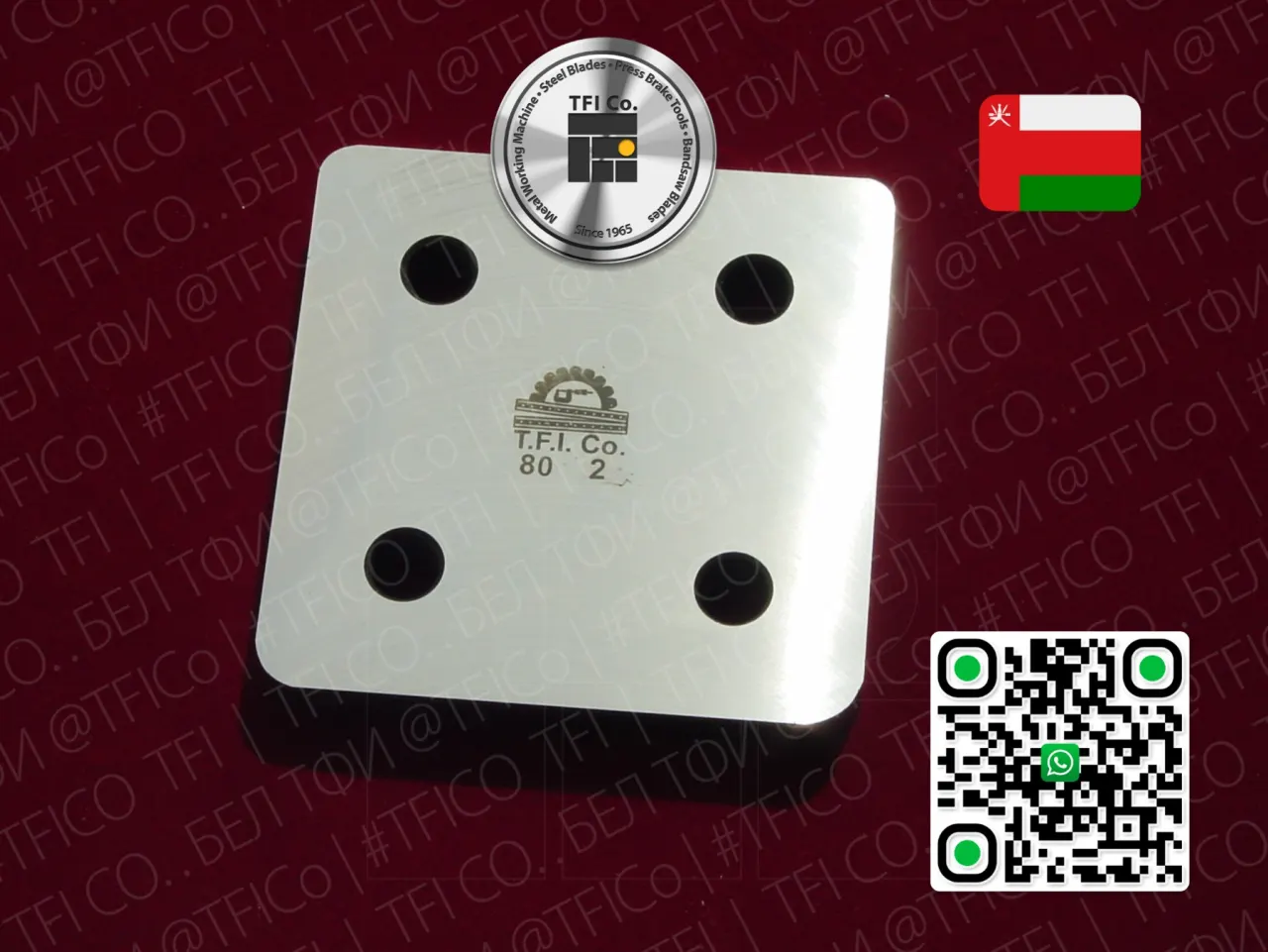
Curved Arc Knives for Carton Converting Machines, Oman

Curved Arc Knives for Carton Converting Machines, Oman

Arc Knives Curved for Carton Industrial Machines

Standing out among the most critical cutting components in high-volume corrugated cardboard production, arc knives are curved for carton industrial machines. Designed precisely as a segment of a circle (sector), these specialized blades are primarily utilized in slotter machines and carton-converting systems to create slots, creases, and precise cuts on box flaps. Today, a modern packaging manufacturing plant can use blades made by TFI Co. to ensure maximum efficiency. High-performance arc slotting knives made by TFI Co. are specifically engineered to fit seamlessly into advanced automatic converting lines.

Structural Features & Performance

In the packaging industry, cutting multi-wall corrugated board without deforming or tearing the cellulose fibers is highly critical. Arc-shaped blades deliver this clean performance through specific geometric advantages:

  • Precise Rotary & Cradle Motion: The curvature of these blades is engineered to synchronize perfectly with the rotating cylinders of slotter machines, executing the slotting process with minimal friction and heat buildup.
  • Tooth Design: The cutting edges are usually configured with serrated or crescent teeth to smoothly penetrate various board thicknesses (single, double, or triple-wall fluting).
  • Waste Reduction: By distributing the cutting force uniformly along the curved edge, the blades prevent crushing or fraying the cardboard edges.

Material Performance and Applications

The material composition directly dictates the blade’s lifespan, wear resistance, and sharpening intervals. Different production environments require distinct material properties to balance performance and longevity:

  • Tungsten Carbide: Featuring a hardness range of 85 to 92 HRC, tungsten carbide blades offer unmatched wear resistance. They hold a sharp edge up to 10 times longer than standard steel options, making them the absolute best choice for high-speed automated production lines handling abrasive, heavy-duty, or recycled corrugated boards.
  • High-Speed Steel (HSS): With a hardness range of 62 to 68 HRC, high-speed steel provides a fantastic balance between edge hardness and physical toughness. Its excellent impact resistance protects against sudden shocks, making it highly suitable for general slotting operations running at medium speeds.
  • Alloy Tool Steel (such as D2 or SKD-11): Operating within a hardness range of 58 to 62 HRC, alloy tool steels are highly cost-effective and significantly easier to resharpen in-house. These blades are best utilized for standard packaging runs and low to moderate production volumes where frequent setup changes occur.

Maintenance & Production Impact

Opting for premium arc blades treated with advanced manufacturing techniques (like vacuum heat treatment) drastically cuts down unexpected machinery downtime. Because raw cardboard fibers contain highly abrasive minerals, routine care is mandatory. Cleaning off residual adhesive or dust, monitoring alignment between the upper male blades and lower female anvils, and sharpening at scheduled intervals guarantee clean box folding and structural integrity.

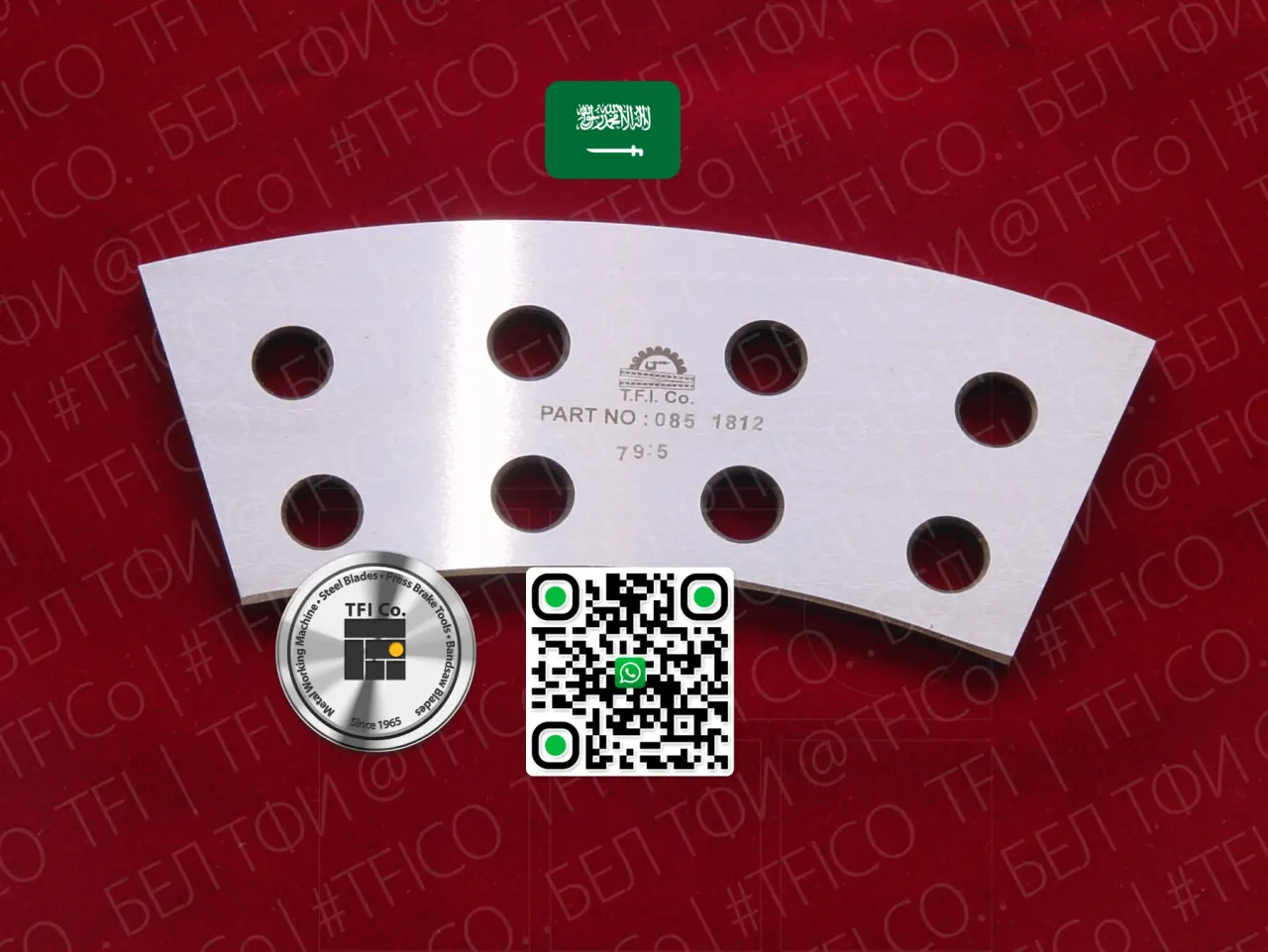
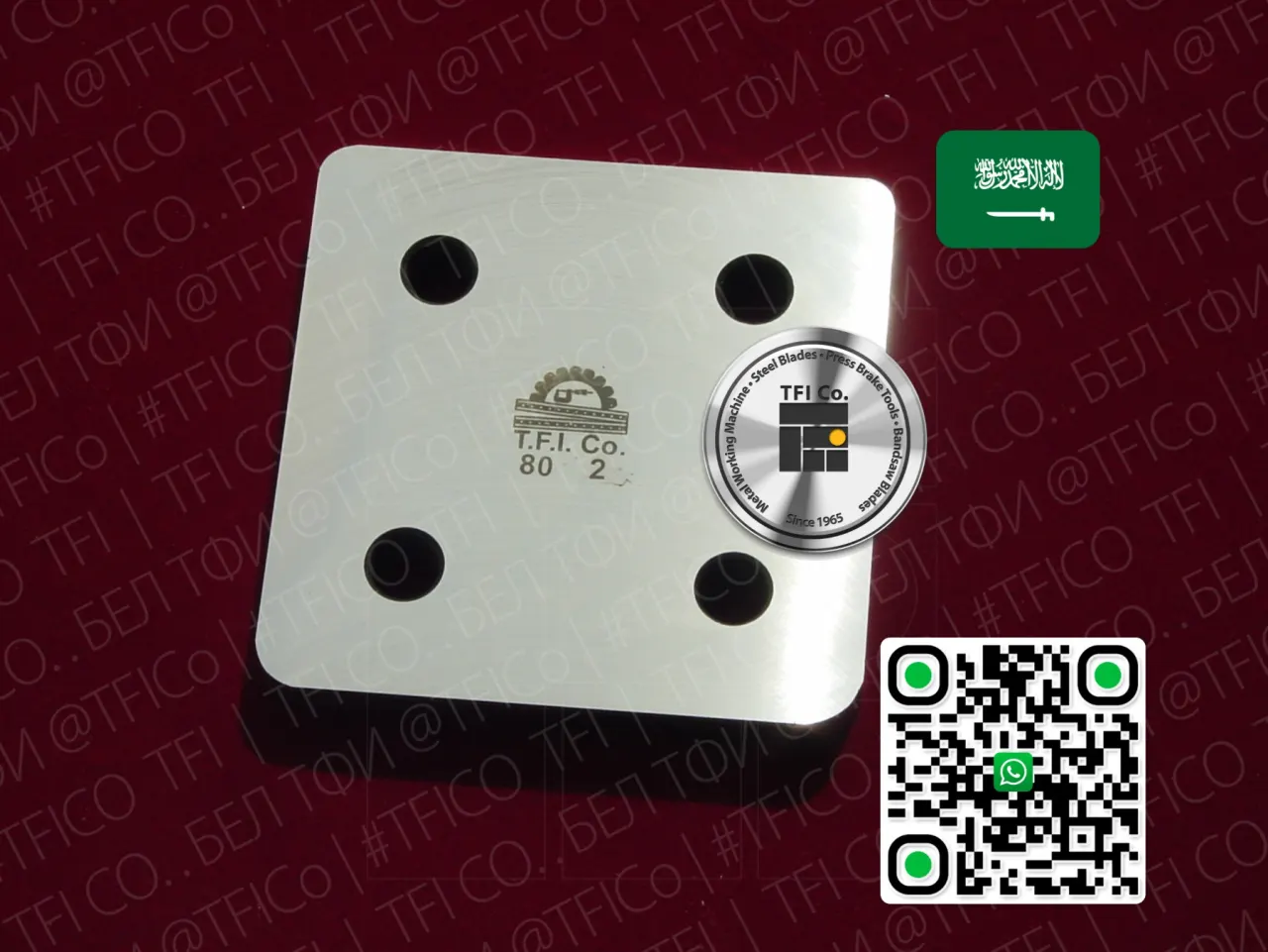
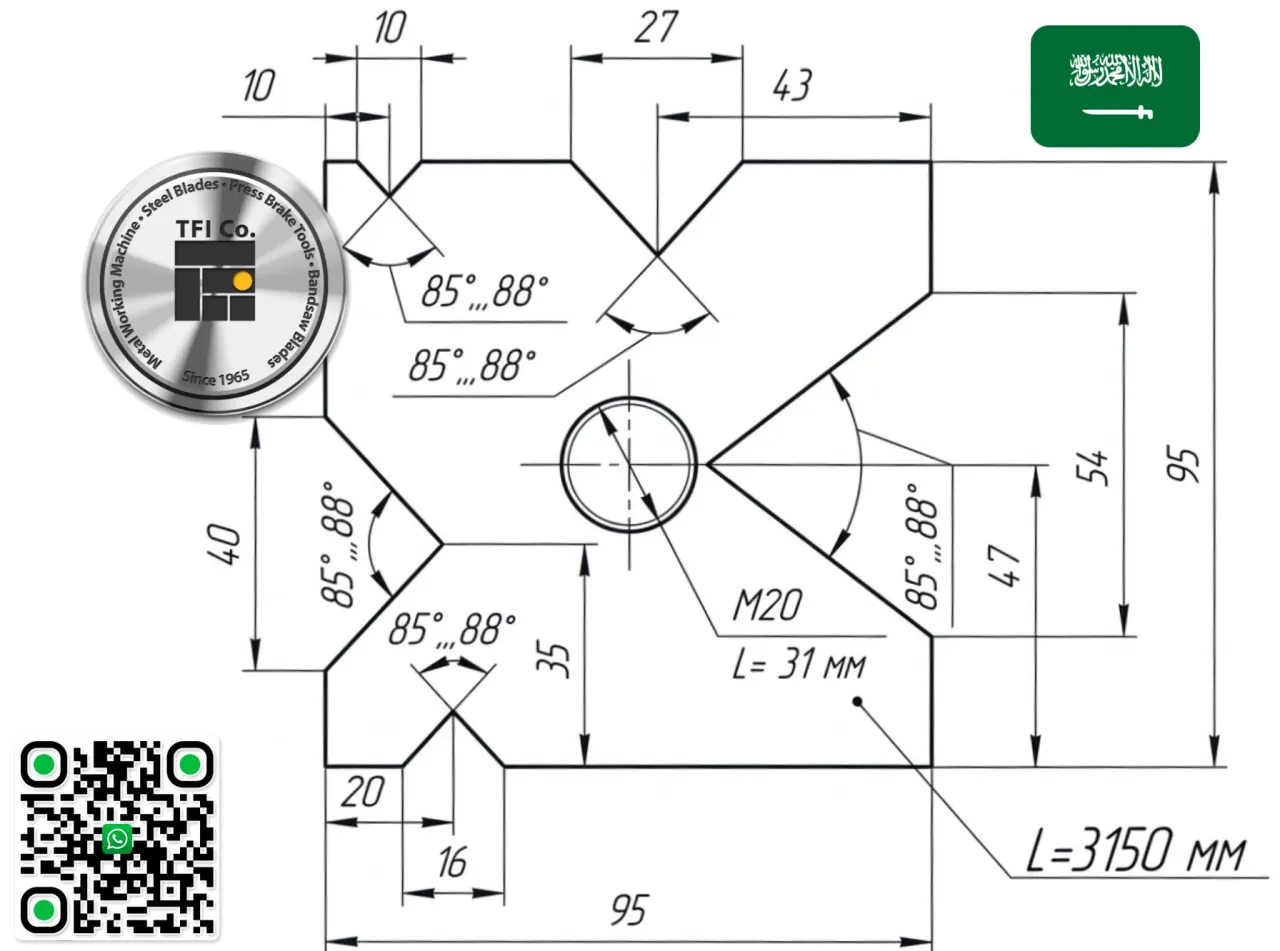
Curved Arc Knives for Carton Machinery, Saudi Arabia

Curved Arc Knives for Carton Machinery, Saudi Arabia

Curved Arc Knives for Carton Industrial Machines

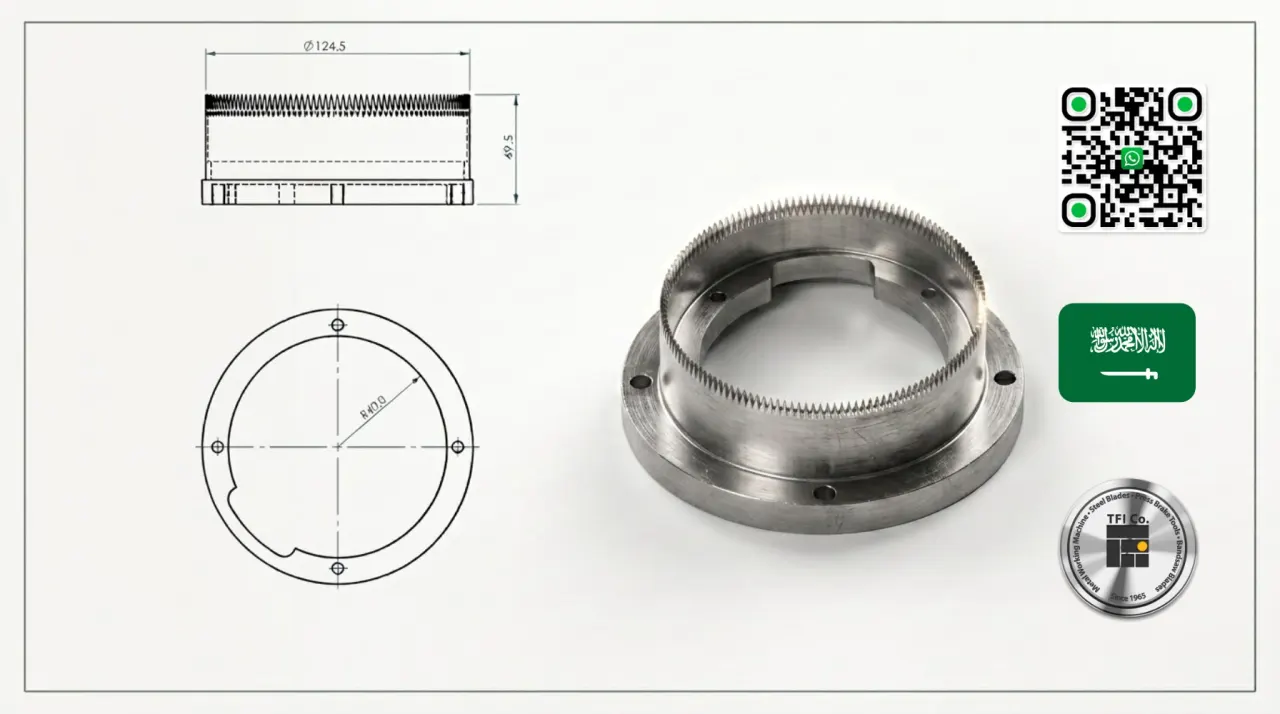
Arc knives stand out as some of the most critical cutting components in high-volume corrugated cardboard production. Designed precisely as a segment of a circle (sector), these specialized blades are primarily utilized in slotter machines and carton-converting systems to create slots, creases, and precise cuts on box flaps. Today, a modern packaging manufacturing plant can use blades made by TFI Co. to ensure maximum efficiency. High-performance arc slotting knives made by TFI Co. are specifically engineered to fit seamlessly into advanced automatic converting lines.

Structural Features & Performance

In the packaging industry, cutting multi-wall corrugated board without deforming or tearing the cellulose fibers is highly critical. Arc-shaped blades deliver this clean performance through specific geometric advantages:

  • Precise Rotary & Cradle Motion: The curvature of these blades is engineered to sync perfectly with the rotating cylinders of slotter machines, executing the slotting process with minimal friction and heat buildup.
  • Tooth Design: The cutting edges are usually configured with serrated or crescent teeth to smoothly penetrate various board thicknesses (single-wall, double-wall, or triple-wall fluting).
  • Waste Reduction: By distributing the cutting force uniformly along the curved edge, the blades prevent crushing or fraying the cardboard edges.

Material Performance and Applications

The material composition directly dictates the blade’s lifespan, wear resistance, and sharpening intervals. Different production environments require distinct material properties to balance performance and longevity:

  • Tungsten Carbide: Featuring a supreme hardness range of 85 to 92 HRC, tungsten carbide blades offer unmatched wear resistance. They hold a sharp edge up to 10 times longer than standard steel options, making them the best choice for high-speed automated production lines handling abrasive, heavy-duty, or recycled corrugated boards.
  • High-Speed Steel (HSS): With a hardness range of 62 to 68 HRC, high-speed steel provides an excellent balance between edge hardness and physical toughness. Its excellent impact resistance protects against sudden shocks, making it highly suitable for general slotting operations running at medium speeds.
  • Alloy Tool Steel (such as D2 or SKD-11): Operating within a hardness range of 58 to 62 HRC, alloy tool steels are highly cost-effective and significantly easier to resharpen in-house. These blades are best utilized for standard packaging runs and low to moderate production volumes where frequent setup changes occur.

Maintenance & Production Impact

Opting for premium arc blades treated with advanced manufacturing techniques (like vacuum heat treatment) drastically cuts down unexpected machinery downtime. Because raw cardboard fibers contain highly abrasive minerals, routine care is mandatory. Cleaning off residual adhesive or dust, monitoring alignment between the upper male blades and lower female anvils, and sharpening at scheduled intervals guarantees clean box folding and structural integrity.

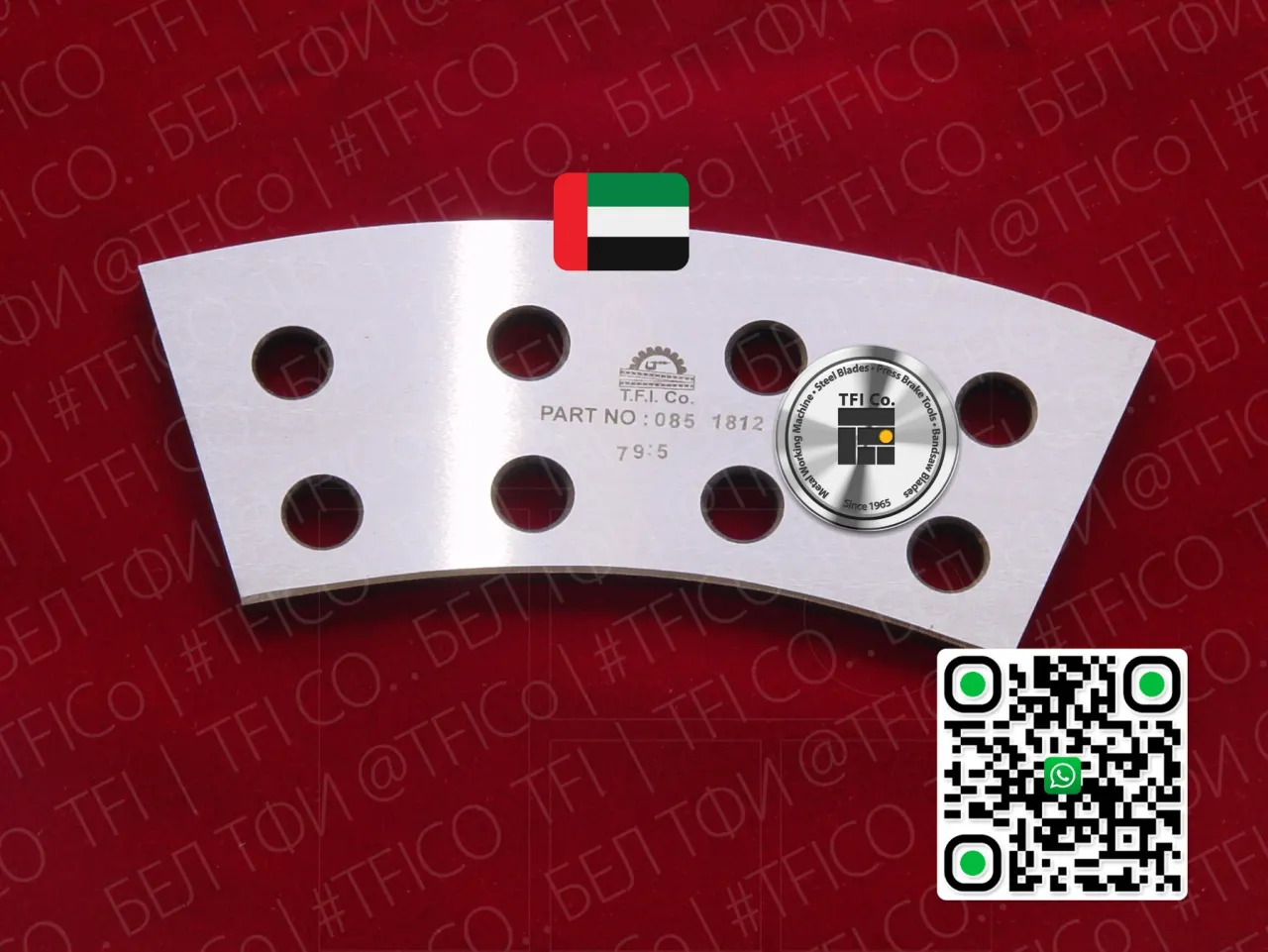
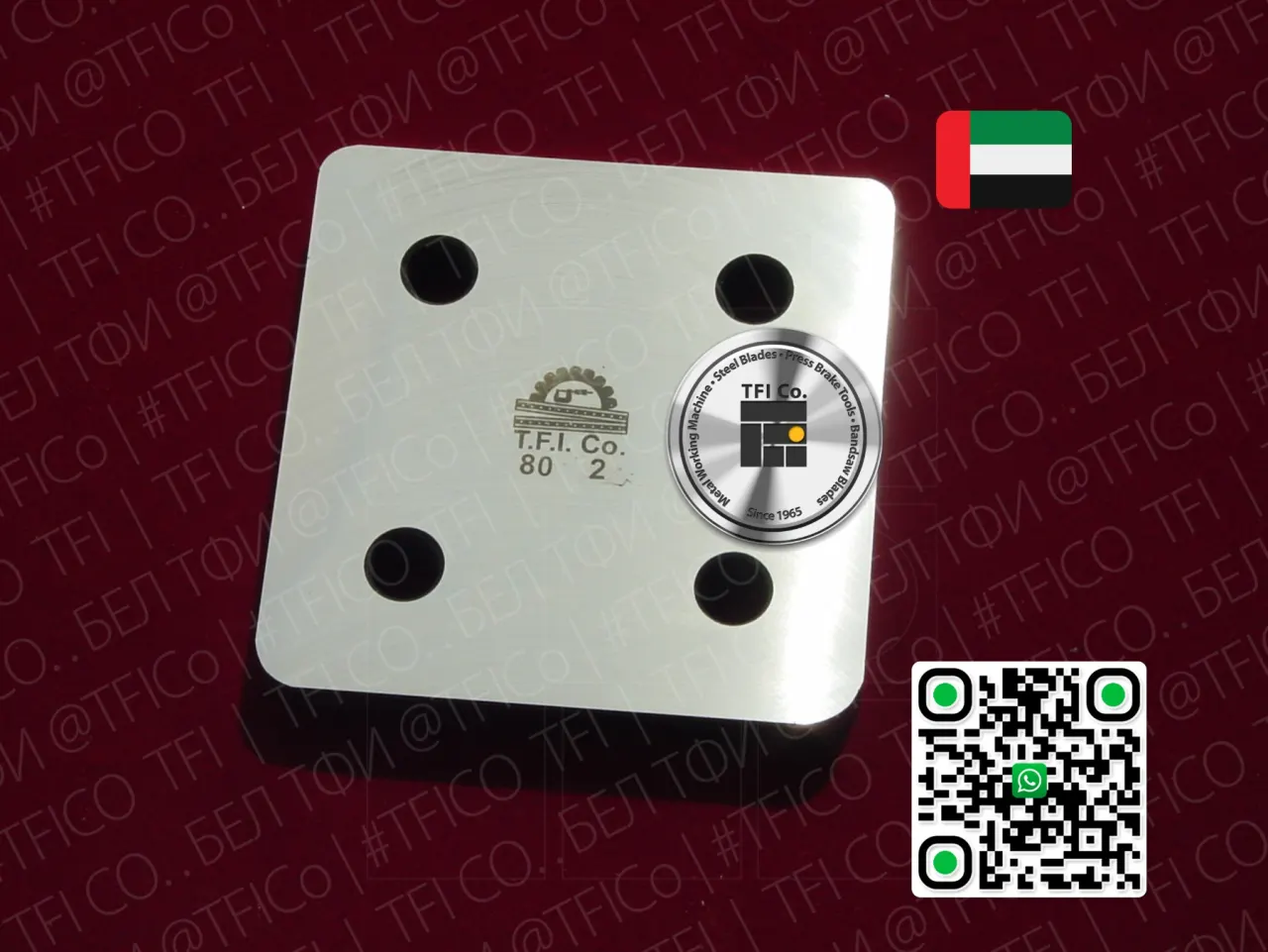
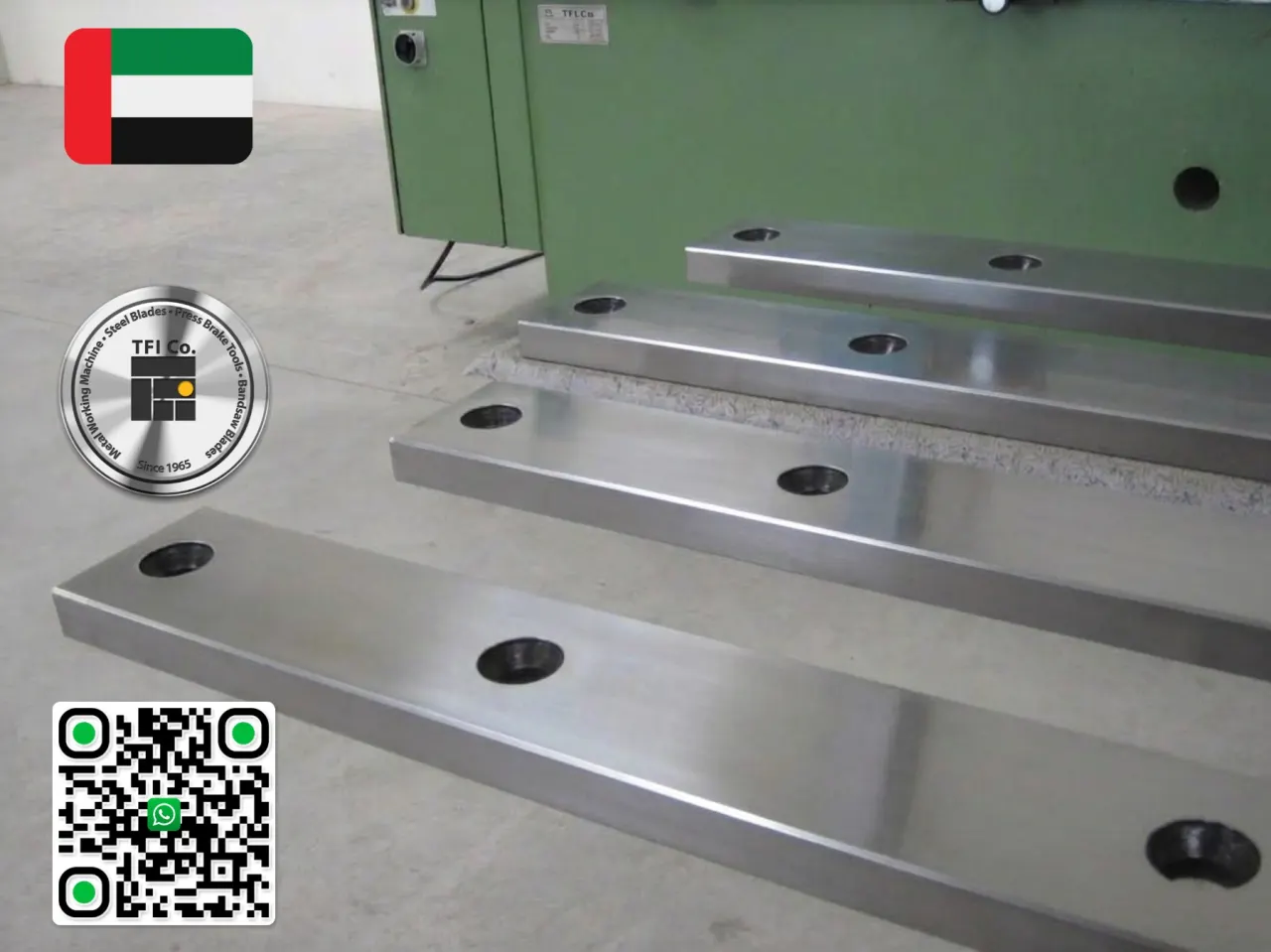
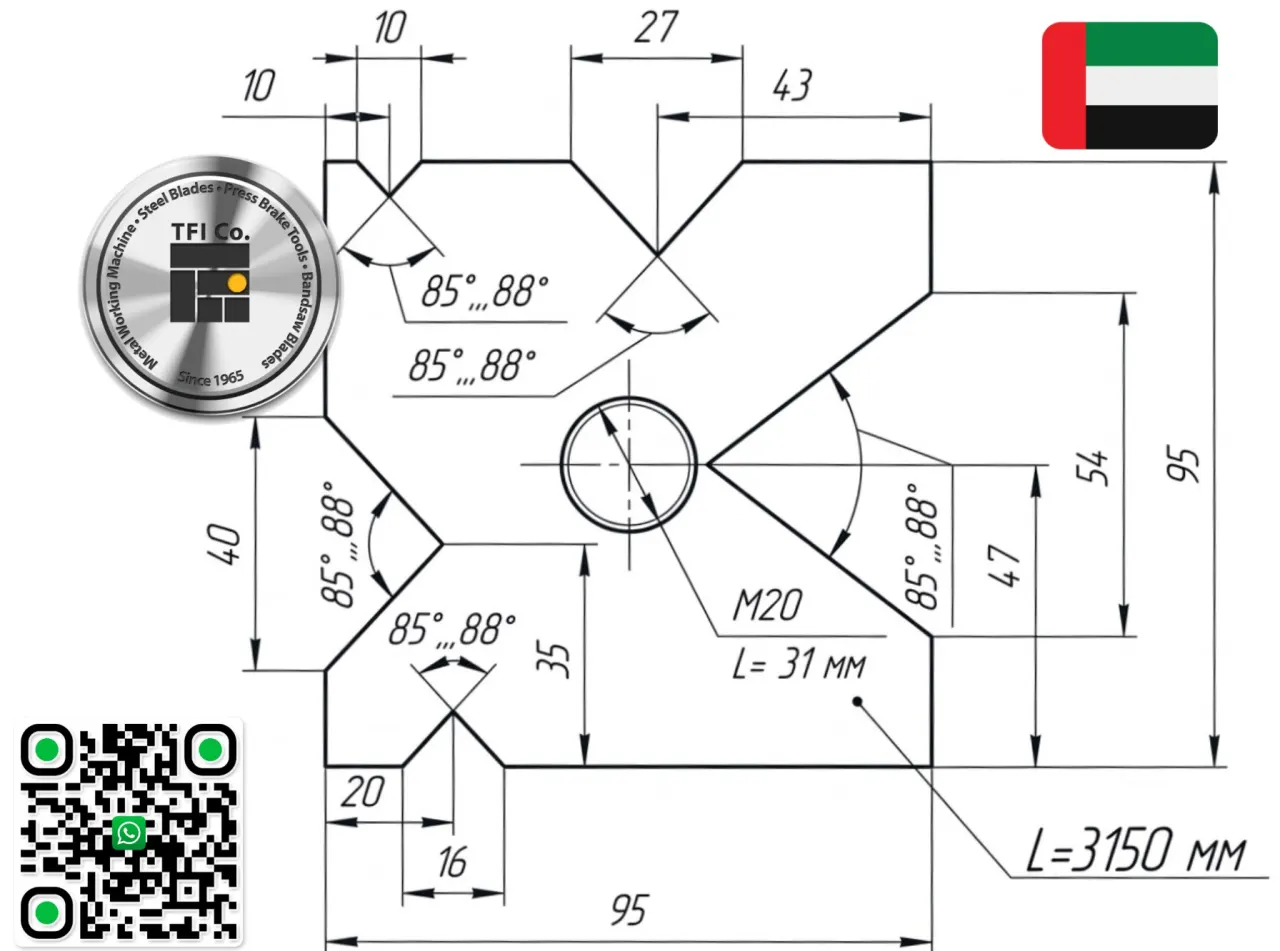
Curved Arc Knives for Carton Machinery in UAE

Curved Arc Knives for Carton Machinery in UAE

Arc Knives Curve for Carton Industrial Machines

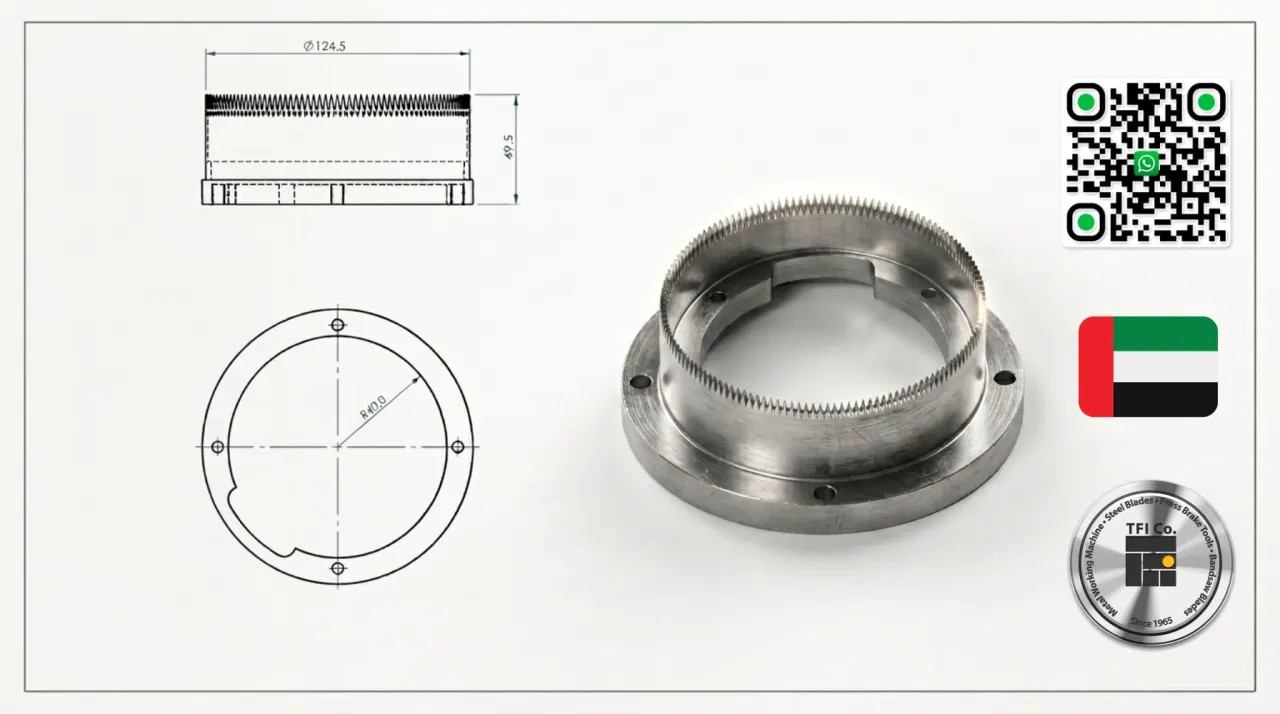
Standing out as one of the most critical cutting components in high-volume corrugated cardboard production, arc knives are designed precisely as a segment of a circle (sector). These specialized blades are primarily utilized in slotter machines and carton-converting systems to create slots, creases, and precise cuts on box flaps. Today, a modern packaging manufacturing plant can use blades made by TFI Co. to ensure maximum efficiency. High-performance arc slotting knives made by TFI Co. are specifically engineered to fit seamlessly into advanced automatic converting lines.

Structural Features & Performance

In the packaging industry, cutting multi-wall corrugated board without deforming or tearing the cellulose fibers is highly critical. Arc-shaped blades deliver this clean performance through specific geometric advantages:

  • Precise Rotary & Cradle Motion: The curvature of these blades is engineered to sync perfectly with the rotating cylinders of slotter machines, executing the slotting process with minimal friction and heat buildup.
  • Tooth Design: The cutting edges are usually configured with serrated or crescent teeth to smoothly penetrate various board thicknesses (single, double, or triple-wall fluting).
  • Waste Reduction: By distributing the cutting force uniformly along the curved edge, the blades prevent crushing or fraying the cardboard edges.

Material Performance and Applications

The material composition directly dictates the blade’s lifespan, wear resistance, and sharpening intervals. Different production environments require distinct material properties to balance performance and longevity:

  • Tungsten Carbide: Featuring a supreme hardness range of 85 to 92 HRC, tungsten carbide blades offer unmatched wear resistance. They hold a sharp edge up to 10 times longer than standard steel options, making them the absolute best choice for high-speed automated production lines handling abrasive, heavy-duty, or recycled corrugated boards.
  • High-Speed Steel (HSS): With a hardness range of 62 to 68 HRC, high-speed steel provides a fantastic balance between edge hardness and physical toughness. Its excellent impact resistance protects against sudden shocks, making it highly suitable for general slotting operations running at medium speeds.
  • Alloy Tool Steel (such as D2 or SKD-11): Operating within a hardness range of 58 to 62 HRC, alloy tool steels are highly cost-effective and significantly easier to resharpen in-house. These blades are best utilized for standard packaging runs and low to moderate production volumes where frequent setup changes occur.

Maintenance & Production Impact

Opting for premium arc blades treated with advanced manufacturing techniques (like vacuum heat treatment) drastically cuts down unexpected machinery downtime. Because raw cardboard fibers contain highly abrasive minerals, routine care is mandatory. Cleaning off residual adhesive or dust, monitoring alignment between the upper male blades and lower female anvils, and sharpening at scheduled intervals guarantees clean box folding and structural integrity.

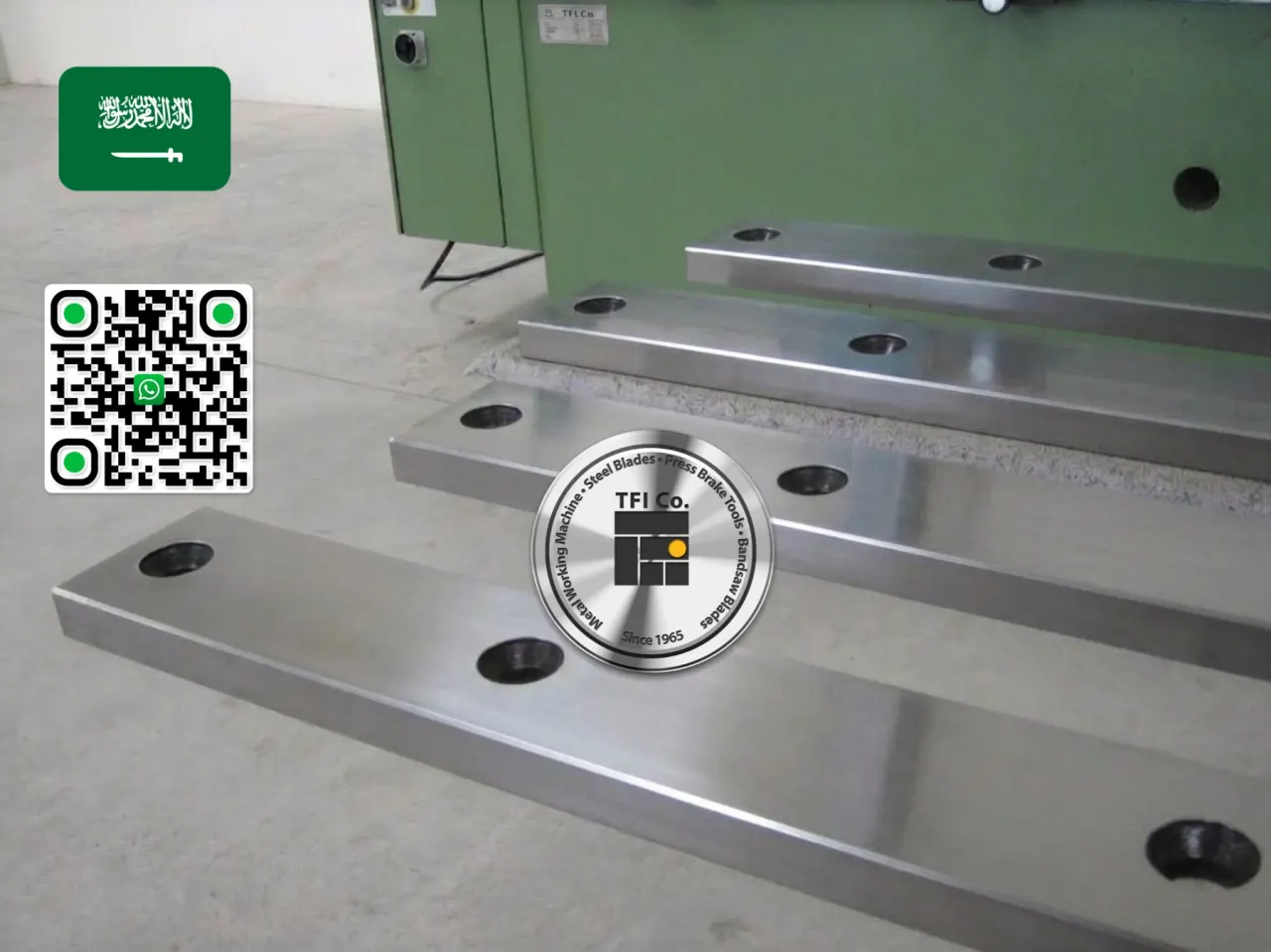
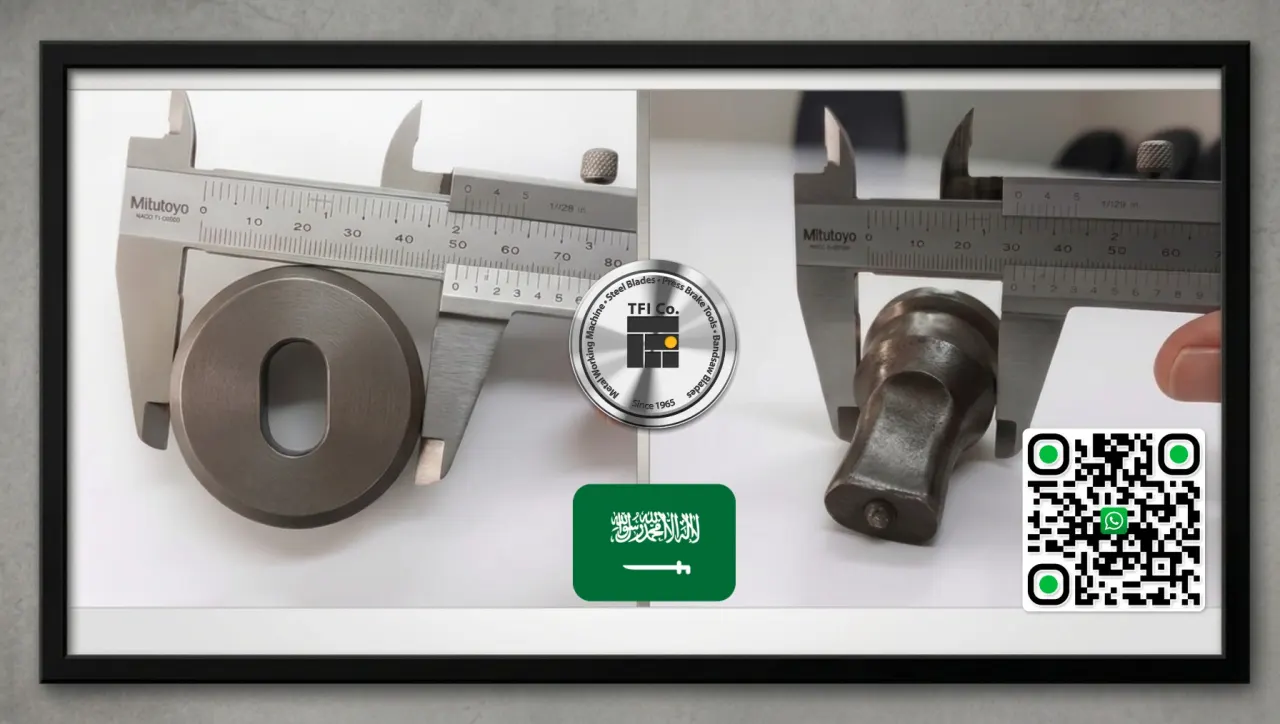
Ironworker Shear Blade Manufacturing in Saudi Arabia

Ironworker Shear Blade Manufacturing in Saudi Arabia

Ironworker Shear Blades: Manufacturing Principles and Production Process

Ironworker machines (multifunctional punching and shearing machines) are essential to structural steel and fabrication workshops. Within these machines, the shear blades bear the brunt of extreme mechanical forces required to cut plates, angles, and rebars. Manufacturing shear blades for ironworker machines is a highly sensitive engineering process, as a minor mistake in metallurgy or fabrication can lead to premature failure or dulling of the blade. As a premier manufacturer of knives for ironworker multi-function shear blades and guillotine knives, TFI Co. ensures that every step of this process adheres to the highest industrial standards.

Below is a brief article outlining the principles of manufacturing and producing ironworker shear blades.

1. Material Selection

The most critical step in blade production is choosing the right tool steel. These steels must simultaneously possess high hardness (to maintain the cutting edge) and exceptional toughness (to resist chipping or cracking under sudden hydraulic impact).

The most common steel grades include:

  • D2 Steel (or Cr12MoV): The gold standard for cold shearing. It offers extremely high wear resistance and is ideal for high-volume workloads.
  • S7 Steel: A shock-resisting tool steel. It is the best choice for operations where the ironworker cuts thick sections or hard steels, and where the risk of blade chipping or catastrophic failure is high.
  • H13 Steel: Typically used for hot shearing or thick materials, offering high thermal stability.

2. Manufacturing Process

Blade production is a precise, multi-step process that typically involves:

  • Forging: Raw steel blocks undergo hot forging. This process compresses and aligns the steel’s grain structure, multiplying its mechanical strength.
  • Rough Machining: The forged piece is machined to its initial dimensions using CNC machinery, where bolt holes and rake angles are machined into the part.
  • Heat Treatment (The Most Critical Step): The blades are heated to high temperatures inside vacuum furnaces and then quenched (cooled rapidly) in oil or air. This is followed by tempering to balance hardness and toughness. The standard hardness for these blades is typically set between 58 to 62 HRC (Rockwell C).
  • Precision Grinding: After hardening, the blades are ground using magnetic surface grinders to highly precise tolerances (down to hundredths of a millimeter) to achieve a perfectly flat surface and razor-sharp edges.

3. Key Factors for Blade Performance and Longevity

To ensure the manufactured blades deliver maximum efficiency on an ironworker machine, two technical practices are essential:

  • Blade Clearance: The gap between the upper and lower blades must be precisely adjusted based on the material thickness (typically about 5% to 10% of the plate thickness). Insufficient clearance causes the blades to collide, while excessive clearance leads to material rolling and heavy burr formation.
  • Multi-Edge Design: Most ironworker shear blades are designed with four usable edges. This means when one edge becomes dull, the operator can flip or rotate the blade to use the remaining sharp edges, significantly reducing workshop operational costs.

Ironworker Shear Blade Manufacturing in UAE

Ironworker Shear Blade Manufacturing in UAE

Ironworker machines (multifunctional punching and shearing machines) are essential to structural steel and fabrication workshops. Within these machines, the shear blades bear the brunt of extreme mechanical forces required to cut plates, angles, and rebars. Manufacturing shear blades for ironworker machines is a highly sensitive engineering process, as a minor mistake in metallurgy or fabrication can lead to premature failure or dulling of the blade. As a premier manufacturer of ironworker multifunction shear blades and guillotine knives, TFI Co. ensures that every step of this process adheres to the highest industrial standards.

Below is a brief article outlining the principles of manufacturing and producing ironworker shear blades.

1. Material Selection

The most critical step in blade production is choosing the right tool steel. These steels must simultaneously possess high hardness (to maintain the cutting edge) and exceptional toughness (to resist chipping or cracking under sudden hydraulic impact).

The most common steel grades include:

  • D2 Steel (or Cr12MoV): The gold standard for cold shearing. It offers extremely high wear resistance and is ideal for high-volume workloads.
  • S7 Steel: A shock-resisting tool steel. It is the best choice for operations where the ironworker cuts thick sections or hard steels, and where the risk of blade chipping or catastrophic failure is high.
  • H13 Steel: Typically used for hot shearing or thick materials, offering high thermal stability.

2. Manufacturing Process

Blade production is a precise, multi-step process that typically involves:

  • Forging: Raw steel blocks undergo hot forging. This process compresses and aligns the steel’s grain structure, multiplying its mechanical strength.
  • Rough Machining: The forged piece is machined to its initial dimensions using CNC machinery, where bolt holes and rake angles are machined into the part.
  • Heat Treatment (The Most Critical Step): The blades are heated to high temperatures inside vacuum furnaces and then quenched (cooled rapidly) in oil or air. This is followed by tempering to balance hardness and toughness. The standard hardness for these blades is typically set between 58 to 62 HRC (Rockwell C).
  • Precision Grinding: After hardening, the blades are ground using magnetic surface grinders to highly precise tolerances (down to hundredths of a millimeter) to achieve a perfectly flat surface and razor-sharp edges.

3. Key Factors for Blade Performance and Longevity

To ensure the manufactured blades deliver maximum efficiency on an ironworker machine, two technical practices are essential:

  • Blade Clearance: The gap between the upper and lower blades must be precisely adjusted based on the material thickness (typically about 5% to 10% of the plate thickness). Insufficient clearance causes the blades to collide, while excessive clearance leads to material rolling and heavy burr formation.
  • Multi-Edge Design: Most ironworker shear blades are designed with four usable edges. This means when one edge becomes dull, the operator can flip or rotate the blade to use the remaining sharp edges, significantly reducing workshop operational costs.

Shear Blades for Ironworkers Made in UAE

Shear Blades for Ironworkers Made in UAE

Ironworker machines (multifunctional punching and shearing machines) are essential to structural steel and fabrication workshops. Within these machines, the shear blades bear the brunt of extreme mechanical forces required to cut plates, angles, and rebars. Manufacturing shear blades for an ironworker is a highly sensitive engineering process, as a minor mistake in metallurgy or fabrication can lead to premature failure or dulling of the blade. As a premier manufacturer of knives for ironworker multi-function shear blades and guillotine knives, TFI Co. ensures that every step of this process adheres to the highest industrial standards.

Below is a brief article outlining the principles of manufacturing and producing ironworker shear blades.

1. Material Selection

The most critical step in blade production is choosing the right tool steel. These steels must simultaneously possess high hardness (to maintain the cutting edge) and exceptional toughness (to resist chipping or cracking under sudden hydraulic impact).

The most common steel grades include:

  • D2 Steel (or Cr12MoV): The gold standard for cold shearing. It offers extremely high wear resistance and is ideal for high-volume workloads.
  • S7 Steel: A shock-resisting tool steel. It is the best choice for operations where the ironworker cuts thick sections or hard steels, and where the risk of blade chipping or catastrophic failure is high.
  • H13 Steel: Typically used for hot shearing or thick materials, offering high thermal stability.

2. Manufacturing Process

Blade production is a precise, multi-step process that typically involves:

  • Forging: Raw steel blocks undergo hot forging. This process compresses and aligns the steel’s grain structure, multiplying its mechanical strength.
  • Rough Machining: The forged piece is machined to its initial dimensions using CNC machinery, where bolt holes and rake angles are machined into the part.
  • Heat Treatment (The Most Critical Step): The blades are heated to high temperatures inside vacuum furnaces and then quenched (cooled rapidly) in oil or air. This is followed by tempering to balance hardness and toughness. The standard hardness for these blades is typically set between 58 to 62 HRC (Rockwell C).
  • Precision Grinding: After hardening, the blades are ground using magnetic surface grinders to highly precise tolerances (down to hundredths of a millimeter) to achieve a perfectly flat surface and razor-sharp edges.

3. Key Factors for Blade Performance and Longevity

To ensure the manufactured blades deliver maximum efficiency on an ironworker machine, two technical practices are essential:

  • Blade Clearance: The gap between the upper and lower blades must be precisely adjusted based on the material thickness (typically about 5% to 10% of the plate thickness). Insufficient clearance causes the blades to collide, while excessive clearance leads to material rolling and heavy burr formation.
  • Multi-Edge Design: Most ironworker shear blades are designed with four usable edges. This means when one edge becomes dull, the operator can flip or rotate the blade to use the remaining sharp edges, significantly reducing workshop operational costs.

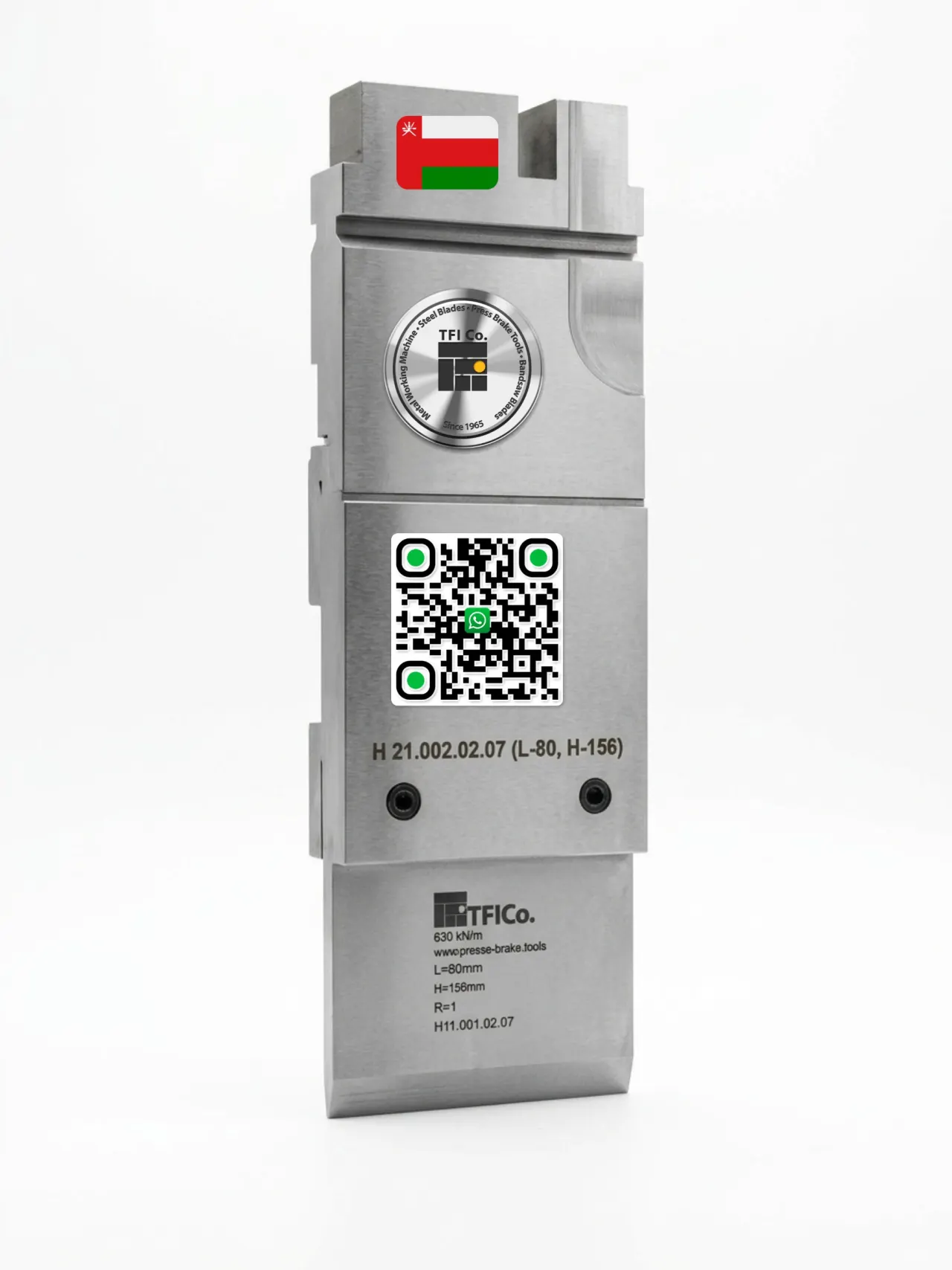
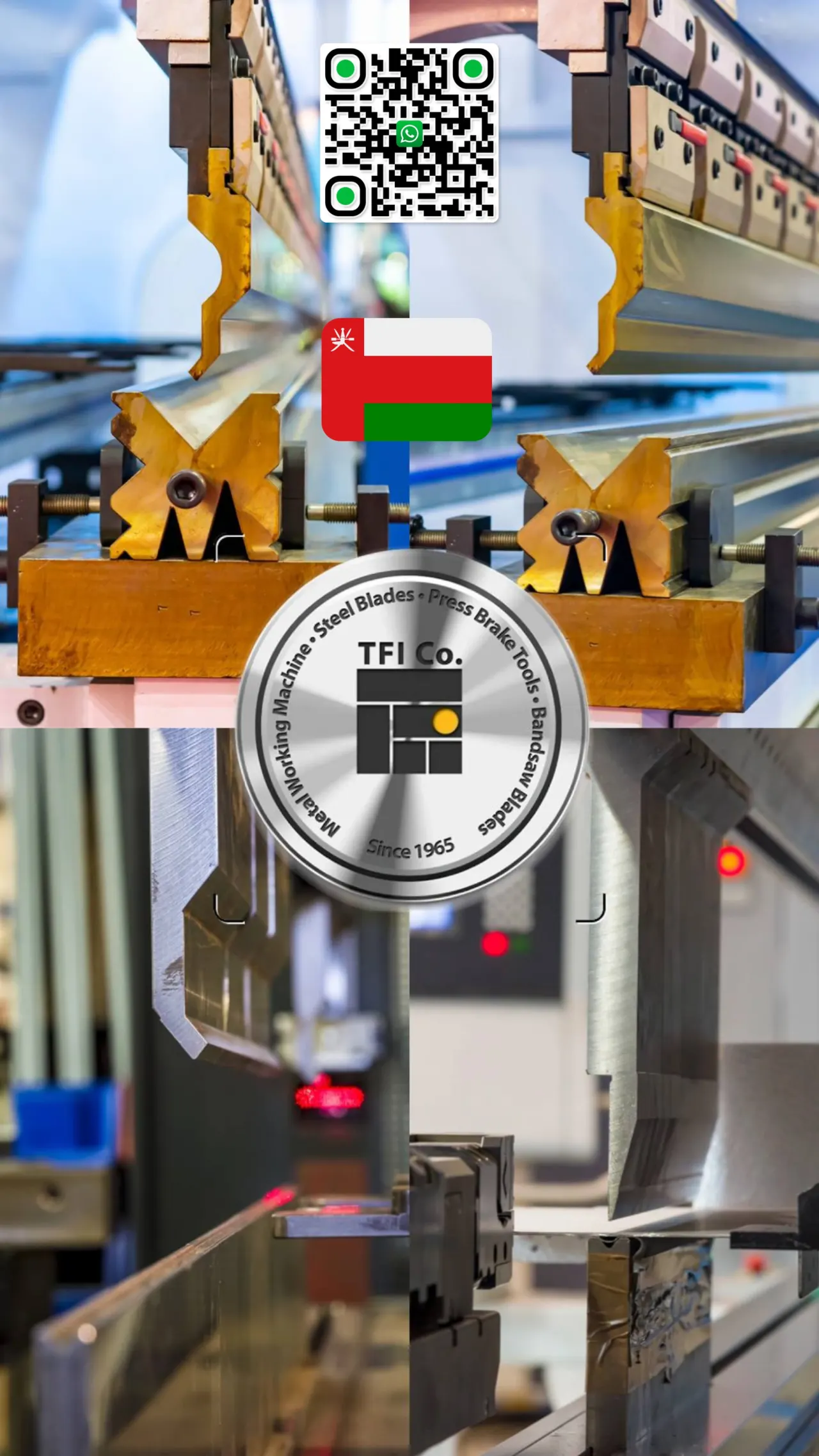
Hämmerle Press Brake Tooling in Oman

Hämmerle Press Brake Tooling in Oman

Hämmerle Press Brake Tooling

Hämmerle press brake tooling represents the pinnacle of precision technology in sheet metal bending. Originally designed by the Swiss pioneer Hämmerle and later integrated into the Bystronic Group, these tools are engineered for ultra-high precision, heavy load capacities, and complex bending cycles. They have earned global acclaim for their proprietary engineering, most notably the revolutionary 3-point bending system (3P).

However, maintaining this flawless level of precision over time presents unique challenges. Locating exact OEM specifications for legacy Hämmerle machines can be exceptionally difficult. Because vintage Hämmerle press brakes and punching machinery utilize highly specialized, proprietary clamping systems and unique 3-point bending dies, off-the-shelf standard tooling is rarely a viable solution. Consequently, when maintaining or restoring these machines, sourcing precisely engineered replacement punches and dies requires a profound understanding of custom manufacturing options, material specifications, and rigorous technical standards.

In this regard, TFI leverages precise reverse engineering and an in-depth mastery of these legacy systems to manufacture and supply bespoke tooling for these invaluable machines—ensuring that Hämmerle’s legendary precision and heritage continue to thrive on the production floor.

Core Technology & Tooling Types

Unlike standard air bending or bottoming tools, Hämmerle systems rely on advanced mechanical positioning to achieve unmatched angle accuracy:

  • 3-Point Bending (3P) Tools: The hallmark of the Bystronic Hämmerle line. The bottom die features an adjustable bottom cushion element (a third point) that precisely controls the depth of the bend from underneath, guaranteeing perfect angles regardless of material thickness variations.
  • Hydraulic Upper Tool Clamping: Designed for rapid setup changes, these punches integrate with specialized hydraulic clamping cushions that protect against overloads and automatically distribute pressure evenly across the bending length.
  • Specialized Punches & Dies: Available in segmented configurations, these premium tools are typically manufactured using high-grade hardened alloys (like 42CrMo or laser-hardened steels) to withstand intense friction and wear.

Performance Advantages

  • Elimination of Angular Errors via Springback Control: The engineered 3-point system within these tools natively compensates for the springback of high-tensile materials, ensuring the final angle strictly adheres to the exact design specifications.
  • Seamless Integration & Perfect Compatibility: Crafted to the highest interchangeability standards, these specialized replacement tools guarantee a flawless, 100% compatible fit with legacy Hämmerle BM models as well as modern Bystronic CNC systems.
  • Extreme Repeatability in High-Volume Production: Driven by the application of the strictest manufacturing tolerances, absolute dimensional stability is maintained. This ensures that even after replacing or swapping tool segments, the bending profile remains perfectly identical across extensive, long-term production runs.