On this page4
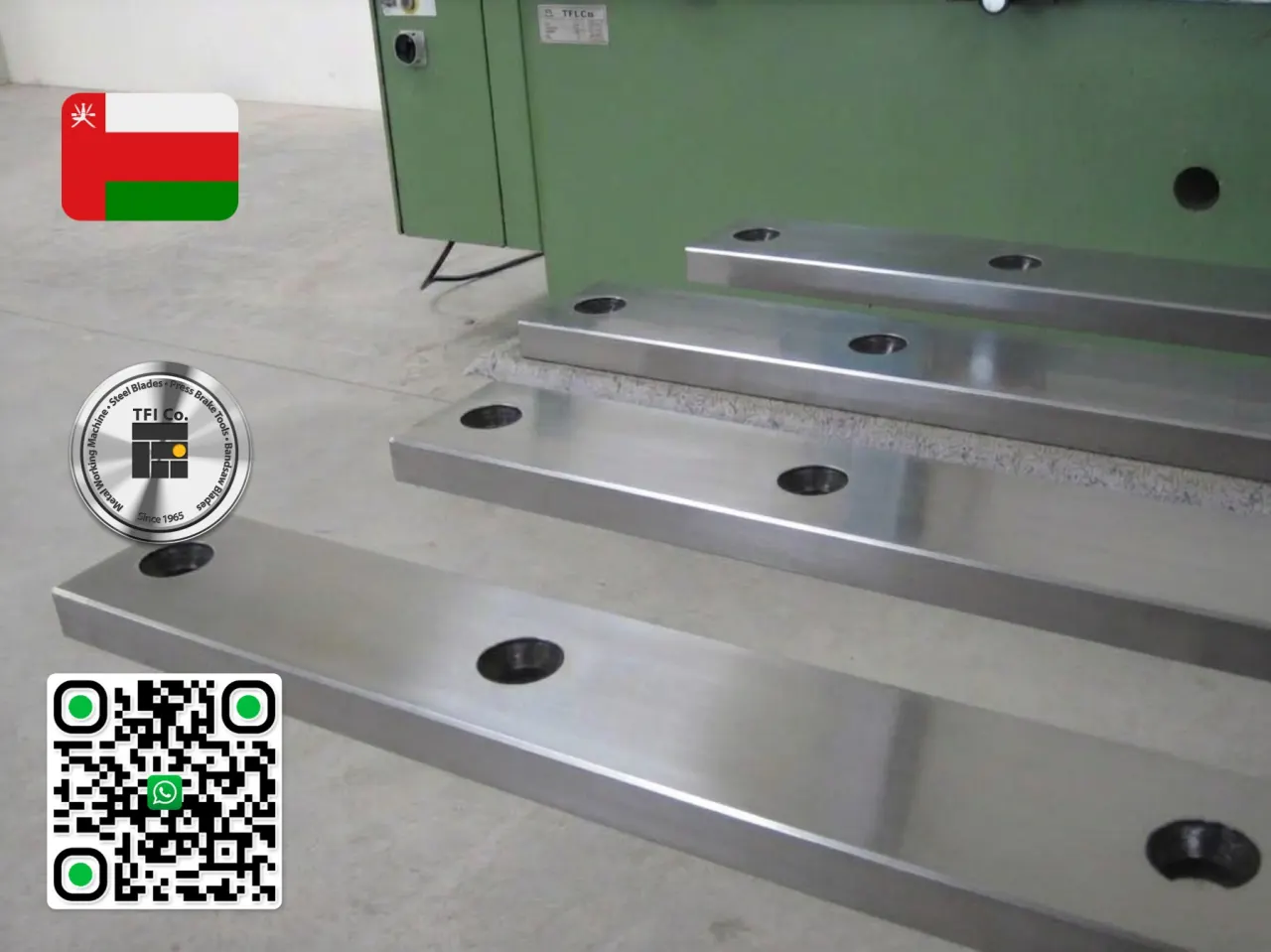
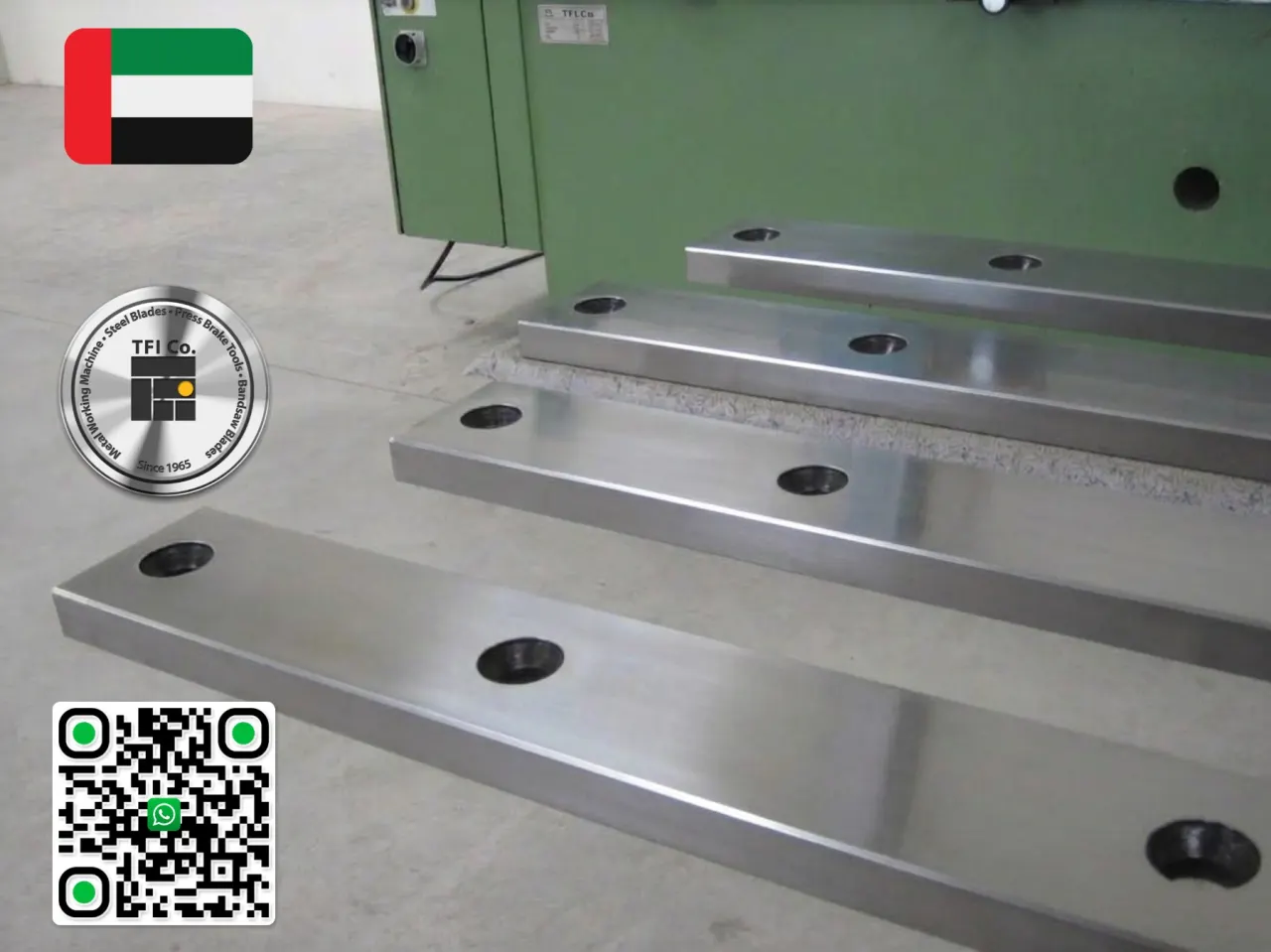
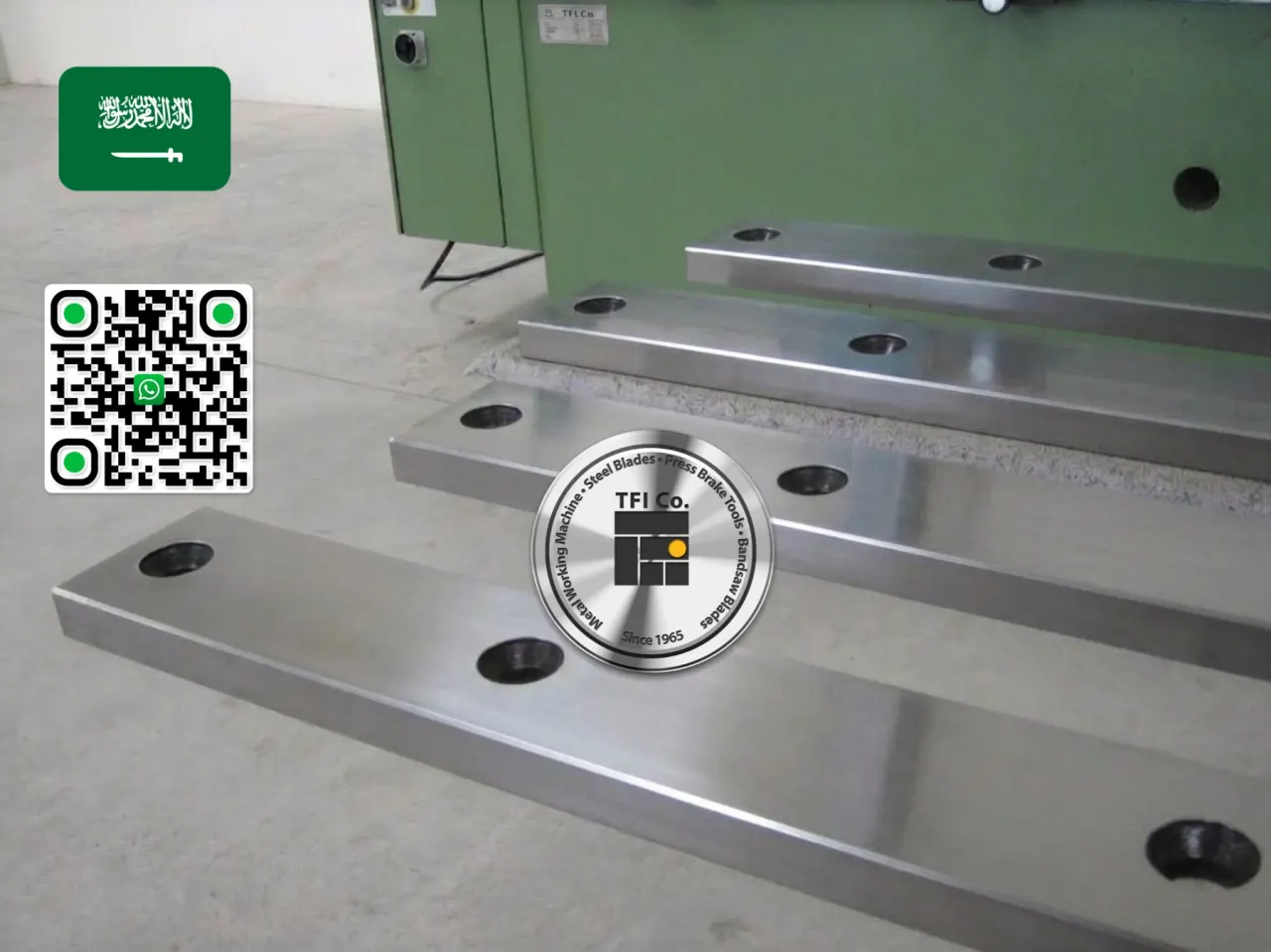
Ironworker machines (multifunctional punching and shearing machines) are essential to structural steel and fabrication workshops. Within these machines, the shear blades bear the brunt of extreme mechanical forces required to cut plates, angles, and rebars. Manufacturing shear blades for an ironworker is a highly sensitive engineering process, as a minor mistake in metallurgy or fabrication can lead to premature failure or dulling of the blade. As a premier manufacturer of knives for ironworker multi-function shear blades and guillotine knives, TFI Co. ensures that every step of this process adheres to the highest industrial standards.
Below is a brief article outlining the principles of manufacturing and producing ironworker shear blades.
1. Material Selection
The most critical step in blade production is choosing the right tool steel. These steels must simultaneously possess high hardness (to maintain the cutting edge) and exceptional toughness (to resist chipping or cracking under sudden hydraulic impact).
The most common steel grades include:
- D2 Steel (or Cr12MoV): The gold standard for cold shearing. It offers extremely high wear resistance and is ideal for high-volume workloads.
- S7 Steel: A shock-resisting tool steel. It is the best choice for operations where the ironworker cuts thick sections or hard steels, and where the risk of blade chipping or catastrophic failure is high.
- H13 Steel: Typically used for hot shearing or thick materials, offering high thermal stability.
2. Manufacturing Process
Blade production is a precise, multi-step process that typically involves:
- Forging: Raw steel blocks undergo hot forging. This process compresses and aligns the steel's grain structure, multiplying its mechanical strength.
- Rough Machining: The forged piece is machined to its initial dimensions using CNC machinery, where bolt holes and rake angles are machined into the part.
- Heat Treatment (The Most Critical Step): The blades are heated to high temperatures inside vacuum furnaces and then quenched (cooled rapidly) in oil or air. This is followed by tempering to balance hardness and toughness. The standard hardness for these blades is typically set between 58 to 62 HRC (Rockwell C).
- Precision Grinding: After hardening, the blades are ground using magnetic surface grinders to highly precise tolerances (down to hundredths of a millimeter) to achieve a perfectly flat surface and razor-sharp edges.
3. Key Factors for Blade Performance and Longevity
To ensure the manufactured blades deliver maximum efficiency on an ironworker machine, two technical practices are essential:
- Blade Clearance: The gap between the upper and lower blades must be precisely adjusted based on the material thickness (typically about 5% to 10% of the plate thickness). Insufficient clearance causes the blades to collide, while excessive clearance leads to material rolling and heavy burr formation.
- Multi-Edge Design: Most ironworker shear blades are designed with four usable edges. This means when one edge becomes dull, the operator can flip or rotate the blade to use the remaining sharp edges, significantly reducing workshop operational costs.
- Section
- metalworking
- Updated
- October 4, 2026
- Reading time
- 3 min read
Discuss this with our team
Tell us what you need and our team replies by email.
Send an enquiry