في هذه الصفحة13
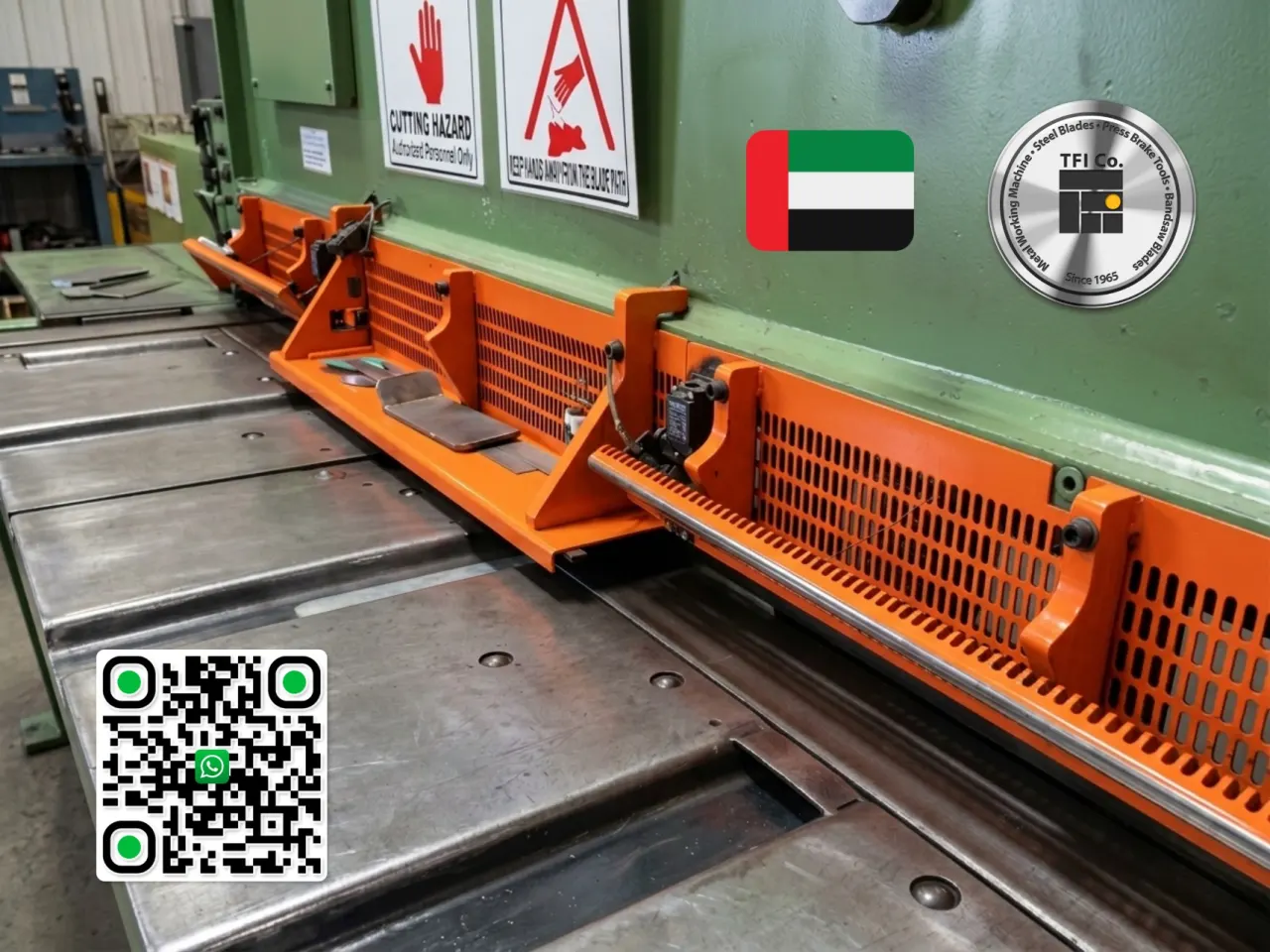
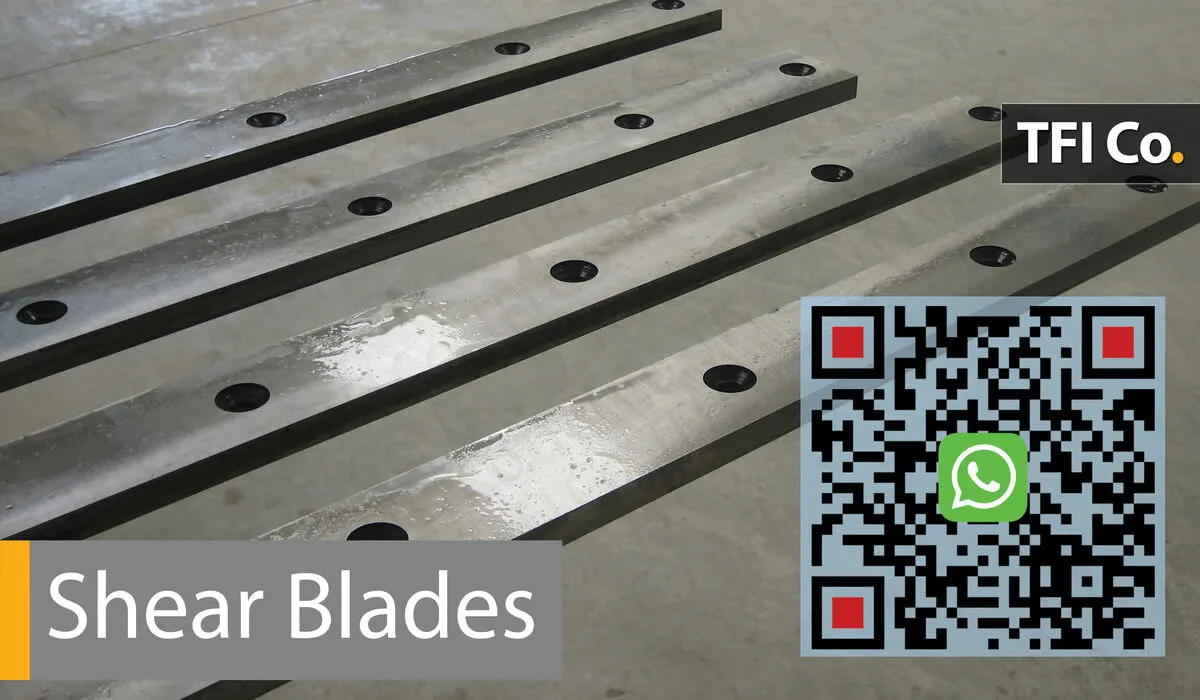
تصنع TFI Co. سكاكين المقص، المعروفة أيضًا بسكاكين المقصلة، لماكينات القص في مصانع تشكيل الصلب والأشغال المعدنية. نصنع الشفرات الفولاذية وسكاكين الماكينات منذ عام 1965، وقد أنتجنا منها أكثر من 12,000 قطعة. يمكن أن يصل طول الشفرة المصنوعة من قطعة واحدة إلى 6 أمتار، من دون أي وصلات على امتداد حد القطع.
كل شفرة تُصنع حسب الطلب. أخبرونا بالمقاس، ونوع الفولاذ الذي تقطعونه، وماكينتكم، ونصنع لكم السكين المناسبة لها، أو نركّبها، أو نعيد سن السكين التي لديكم. تُرسل عروض الأسعار خلال 24-48 ساعة.
سكاكين المقص في لمحة
| الميزة | ما نقدمه |
|---|---|
| الطول | قطعة واحدة حتى 6 أمتار، مثل 3100 × 75 mm و3150 × 70 × 20 mm و3200 × 75 × 20 mm |
| الفولاذ | 1.2379 (D2)، 1.2767، 1.2344 (H13) |
| الصلادة | 54-60 HRC، مع مراجعة حرارية (تطبيع) مرتين إلى ثلاث مرات |
| حواف القطع | 2 أو 4 لكل شفرة، حسب المقطع |
| زاوية الحد | عادةً 80-85° |
| الصاج الذي تقطعه | الفولاذ الطري والفولاذ المقاوم للصدأ، من 0.5 mm إلى أكثر من 20 mm |
| الماكينات | مقصات المقصلة والمقصات ذات العارضة المتأرجحة، وماكينات الحدادة المتعددة (آيرون ووركر)، ومقصات حديد التسليح |
| إعادة السن | شفرات حتى 4500 mm، مع الاستلام والتوصيل في جميع أنحاء الإمارات |
| عرض السعر | خلال 24-48 ساعة |
الطول
- ما نقدمه
- قطعة واحدة حتى 6 أمتار، مثل 3100 × 75 mm و3150 × 70 × 20 mm و3200 × 75 × 20 mm
الفولاذ
- ما نقدمه
- 1.2379 (D2)، 1.2767، 1.2344 (H13)
الصلادة
- ما نقدمه
- 54-60 HRC، مع مراجعة حرارية (تطبيع) مرتين إلى ثلاث مرات
حواف القطع
- ما نقدمه
- 2 أو 4 لكل شفرة، حسب المقطع
زاوية الحد
- ما نقدمه
- عادةً 80-85°
الصاج الذي تقطعه
- ما نقدمه
- الفولاذ الطري والفولاذ المقاوم للصدأ، من 0.5 mm إلى أكثر من 20 mm
الماكينات
- ما نقدمه
- مقصات المقصلة والمقصات ذات العارضة المتأرجحة، وماكينات الحدادة المتعددة (آيرون ووركر)، ومقصات حديد التسليح
إعادة السن
- ما نقدمه
- شفرات حتى 4500 mm، مع الاستلام والتوصيل في جميع أنحاء الإمارات
عرض السعر
- ما نقدمه
- خلال 24-48 ساعة
الشفرات التي نصنعها
| الشفرة | الماكينة | الاستخدام |
|---|---|---|
| سكاكين مقص المقصلة | مقصات المقصلة الهيدروليكية والميكانيكية | قطع مستقيم للصاج والألواح |
| سكاكين المقص ذي العارضة المتأرجحة | المقصات ذات العارضة المتأرجحة | قطع مستقيم للصاج والألواح |
| شفرات طويلة من قطعة واحدة | مقصات بعرض يصل إلى 6 أمتار | قطع متصل واحد على كامل طول اللوح |
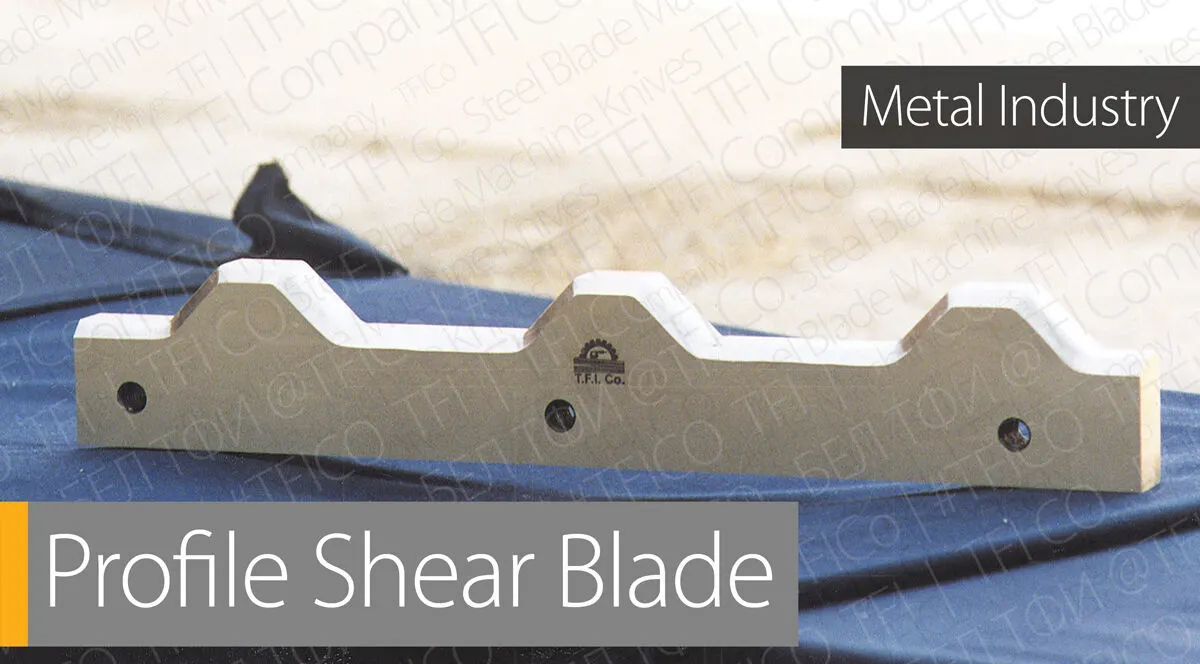
| شفرات مقص التشطيف (التحزيز) | ماكينات التحزيز | حزوز الزوايا في الصاج المعدني |
| شفرات مقطع ألواح الساندويتش | مقصلات الألواح | قطع ألواح الأسقف والجدران المشكّلة وفق شكل مقطعها |
| شفرات مقص حديد التسليح | قاطعات حديد التسليح | قطع قضبان التسليح |
| شفرات الزوايا والزوايا المعدنية | ماكينات الحدادة المتعددة (آيرون ووركر) | قطع الزوايا والمسطحات والمقاطع |
سكاكين مقص المقصلة
- الماكينة
- مقصات المقصلة الهيدروليكية والميكانيكية
- الاستخدام
- قطع مستقيم للصاج والألواح
سكاكين المقص ذي العارضة المتأرجحة
- الماكينة
- المقصات ذات العارضة المتأرجحة
- الاستخدام
- قطع مستقيم للصاج والألواح
شفرات طويلة من قطعة واحدة
- الماكينة
- مقصات بعرض يصل إلى 6 أمتار
- الاستخدام
- قطع متصل واحد على كامل طول اللوح
شفرات مقص التشطيف (التحزيز)
- الماكينة
- ماكينات التحزيز
- الاستخدام
- حزوز الزوايا في الصاج المعدني
شفرات مقطع ألواح الساندويتش
- الماكينة
- مقصلات الألواح
- الاستخدام
- قطع ألواح الأسقف والجدران المشكّلة وفق شكل مقطعها
شفرات مقص حديد التسليح
- الماكينة
- قاطعات حديد التسليح
- الاستخدام
- قطع قضبان التسليح
شفرات الزوايا والزوايا المعدنية
- الماكينة
- ماكينات الحدادة المتعددة (آيرون ووركر)
- الاستخدام
- قطع الزوايا والمسطحات والمقاطع
كما نصنع سكاكين القص للتشغيل على البارد والتشغيل على الساخن وفق رسوماتكم، والسكاكين العلوية والسفلية كزوج متطابق.
لماذا الشفرة المصنوعة من قطعة واحدة
قطع دقيق.
لا درزات ولا وصلات ولا درجات: القطع متساوٍ وخالٍ من الزوائد (النتوءات) على كامل الطول.
إجهاد متوازن.
تتوزع قوة الماكينة بالتساوي على طول الشفرة، فلا توجد وصلة يمكن أن تنكسر، وهي مشكلة شائعة في الشفرات المجزأة.
ضبط أسهل.
يصبح ضبط الخلوص بين السكين العلوية والسفلية أسرع وأدق.
قطع دقيق.
لا درزات ولا وصلات ولا درجات: القطع متساوٍ وخالٍ من الزوائد (النتوءات) على كامل الطول.
إجهاد متوازن.
تتوزع قوة الماكينة بالتساوي على طول الشفرة، فلا توجد وصلة يمكن أن تنكسر، وهي مشكلة شائعة في الشفرات المجزأة.
ضبط أسهل.
يصبح ضبط الخلوص بين السكين العلوية والسفلية أسرع وأدق.
درجات الفولاذ والصلادة
تحتاج الشفرة الطويلة الضيقة إلى توازن صحيح بين الصلادة التي تحافظ على الحد، والمتانة التي تمنعه من التشظي. نختار الفولاذ بناءً على الصاج الذي تقطعونه:
| الفولاذ | الأنسب لـ | السبب |
|---|---|---|
| 1.2379 (D2) | الصاج الرقيق إلى متوسط السماكة | مقاومة عالية جدًا للتآكل: يبقى الحد حادًا لفترة أطول |
| 1.2767 | الألواح الأكثر سماكة | متانة عالية ومقاومة للصدمات |
| 1.2344 (H13) | الألواح الأكثر سماكة أو السماكات المتغيرة | متانة عالية ومقاومة للصدمات |
1.2379 (D2)
- الأنسب لـ
- الصاج الرقيق إلى متوسط السماكة
- السبب
- مقاومة عالية جدًا للتآكل: يبقى الحد حادًا لفترة أطول
1.2767
- الأنسب لـ
- الألواح الأكثر سماكة
- السبب
- متانة عالية ومقاومة للصدمات
1.2344 (H13)
- الأنسب لـ
- الألواح الأكثر سماكة أو السماكات المتغيرة
- السبب
- متانة عالية ومقاومة للصدمات
تُقسّى الشفرات إلى 54-60 HRC بحسب الاستخدام والصاج، وتُطبَّع حراريًا مرتين إلى ثلاث مرات لإزالة الإجهادات الداخلية.
كيف تُصنع الشفرة الطويلة
الحدادة والتشغيل الأولي.
يُطرَق الفولاذ للحصول على بنية حبيبية متجانسة، ثم يُفرَز بتفاوتات دقيقة مع ترك ما يكفي فقط للتجليخ النهائي.
معالجة حرارية دون التواء.
تُعلَّق الشفرات الطويلة عموديًا في أفران التفريغ أثناء تقسيتها، فتبقى مستقيمة.
تجليخ دقيق.
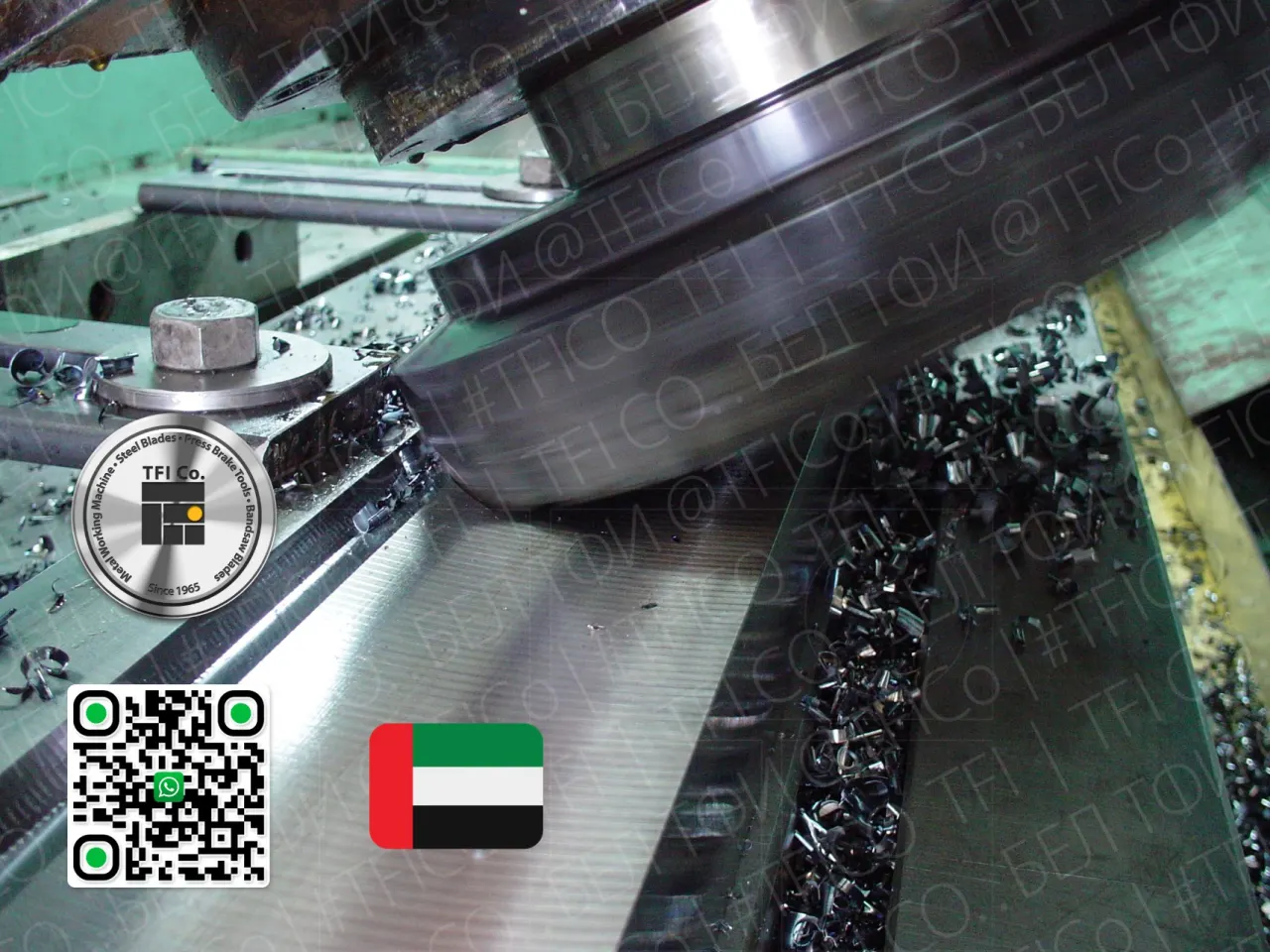
على ماكينات تجليخ سطحي مغناطيسية ذات طاولة طويلة، تُحفظ الشفرة متوازية ضمن بضعة أجزاء من مئة من المليمتر على كامل طولها. ويُجلَخ حد القطع مع تبريد مستمر حتى يحتفظ بصلادته.
الحدادة والتشغيل الأولي.
يُطرَق الفولاذ للحصول على بنية حبيبية متجانسة، ثم يُفرَز بتفاوتات دقيقة مع ترك ما يكفي فقط للتجليخ النهائي.
معالجة حرارية دون التواء.
تُعلَّق الشفرات الطويلة عموديًا في أفران التفريغ أثناء تقسيتها، فتبقى مستقيمة.
تجليخ دقيق.
على ماكينات تجليخ سطحي مغناطيسية ذات طاولة طويلة، تُحفظ الشفرة متوازية ضمن بضعة أجزاء من مئة من المليمتر على كامل طولها. ويُجلَخ حد القطع مع تبريد مستمر حتى يحتفظ بصلادته.
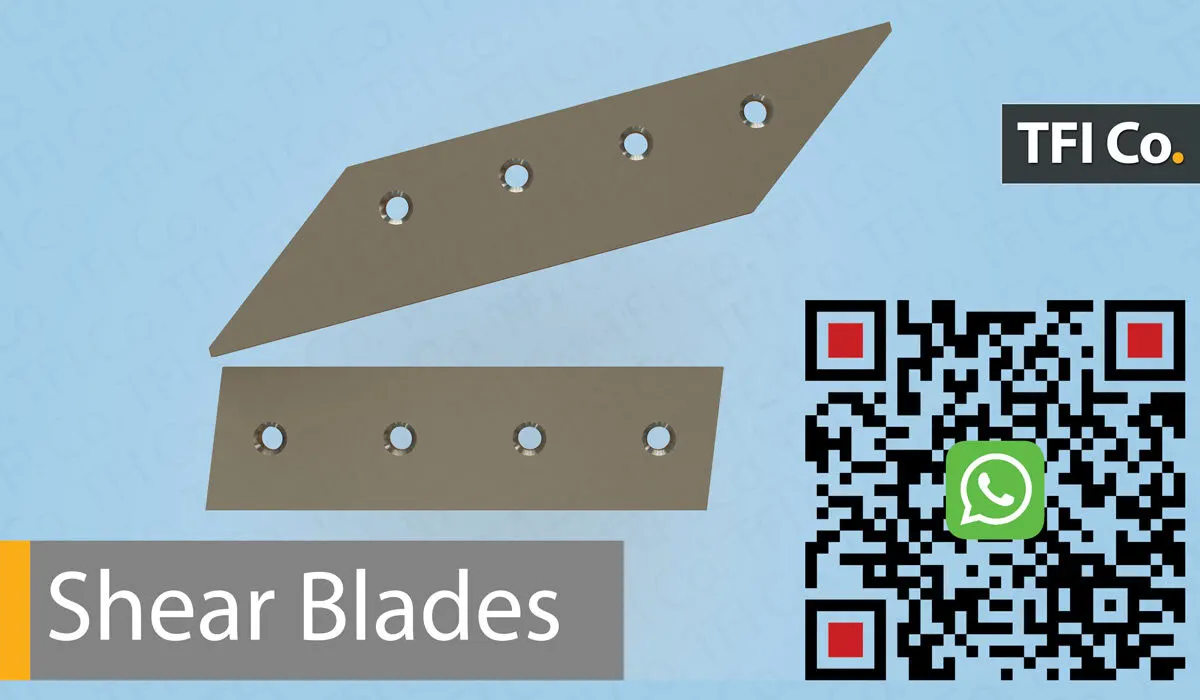
2 أو 4 حواف قطع
للشفرة ذات المقطع المستطيل أربع حواف قطع: عندما تتآكل حافة، تُدار الشفرة أو تُقلب لتقطع من جديد بحافة جديدة. أما الشفرة ذات المقطع المائل (المستدق)، التي تُستخدم غالبًا كسكين علوية، فلها حافتان. وكلما زادت الحواف زاد القطع قبل أن تحتاج الشفرة إلى إعادة السن.
ما الذي تقطعه
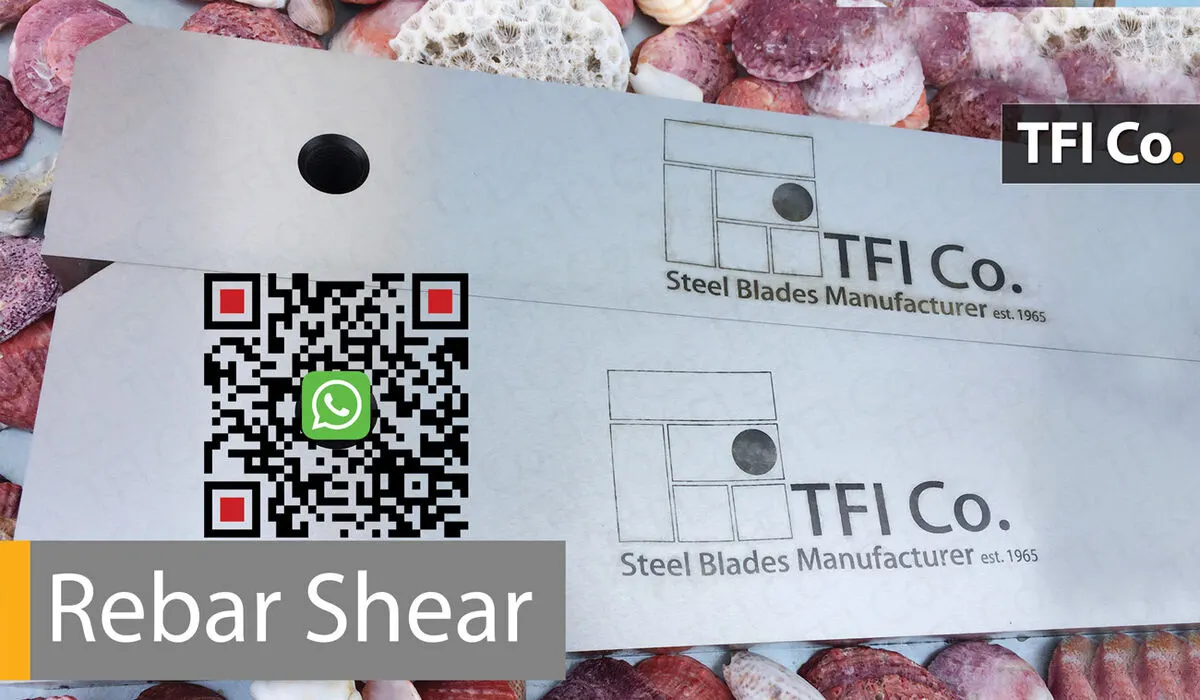
تقطع سكاكين المقص لدينا صاج الفولاذ الطري (MS) والفولاذ المقاوم للصدأ (SS) بسماكة من 0.5 mm إلى أكثر من 20 mm، بحواف مستقيمة ونظيفة. ونصنع كل سكين وفق مقاس ماكينتكم ونمط ثقوبها.
التركيب والعناية
يركّب فنيونا في الموقع سكاكين المقص التي يصل طولها إلى 3 أمتار. تُطفأ الماكينة وتُفصل أولًا، ثم تُحاذى الشفرة الجديدة مع خط القطع وفق تعليمات الشركة المصنّعة للماكينة، وتُثبَّت بإحكام، ويُفحص استقامتها، ويُختم العمل بقطعة اختبار.
للحفاظ على أداء الشفرات في القطع لفترة أطول:
نظّفوا الشفرات بانتظام لإزالة البقايا والترسبات.
افحصوها بحثًا عن التآكل أو التشظي أو الشقوق.
حافظوا على حدة الحد: أعيدوا السن قبل أن يتآكل بشدة.
أديروا الشفرات لاستخدام حافة جديدة وتوزيع التآكل.
احرصوا على تزييتها بخفة لحمايتها من الصدأ والتآكل.
نظّفوا الشفرات بانتظام لإزالة البقايا والترسبات.
افحصوها بحثًا عن التآكل أو التشظي أو الشقوق.
حافظوا على حدة الحد: أعيدوا السن قبل أن يتآكل بشدة.
أديروا الشفرات لاستخدام حافة جديدة وتوزيع التآكل.
احرصوا على تزييتها بخفة لحمايتها من الصدأ والتآكل.
إعادة التجليخ وإعادة السن
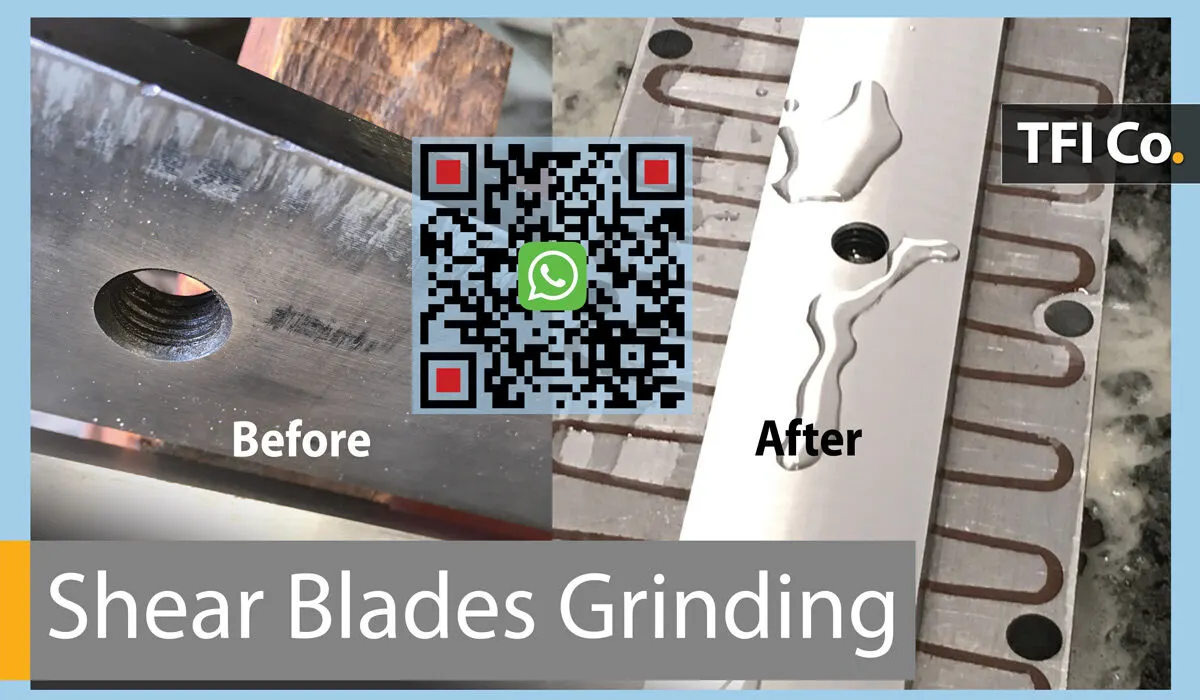
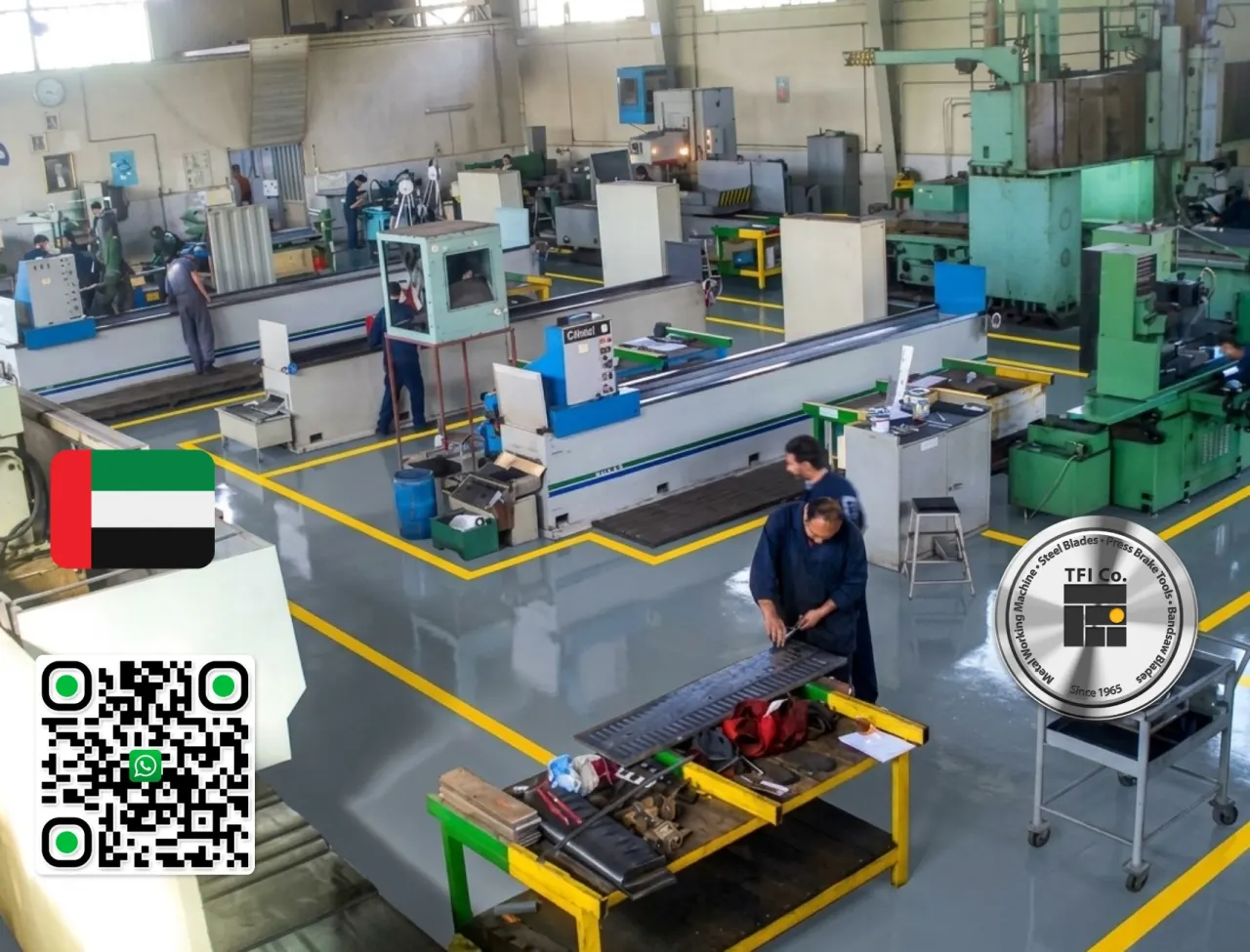
لا يلزم استبدال الشفرة المستهلكة. نعيد تجليخ سكاكين المقص التي يصل طولها إلى 4500 mm على ماكينات تجليخ CNC ذات طاولة مغناطيسية وتبريد فوري، ما يحافظ على صلادة الفولاذ متساوية على طول الحد بالكامل. وفي الإمارات نستلم الشفرات من مصنعكم ونعيدها إليكم بعد السن.
ما الذي ترسلونه للحصول على عرض سعر
| المعلومة | مثال |
|---|---|
| مقاس الشفرة (الطول × العرض × السماكة) | 3100 × 75 × 20 mm |
| عدد حواف القطع | 2 أو 4 |
| نمط الثقوب | رسم أو صورة مع القياسات |
| المادة وأقصى سماكة تقطعونها | فولاذ مقاوم للصدأ، 6 mm |
| الماكينة | مقصلة أو عارضة متأرجحة، مع الطراز والحمولة بالطن |
| الكمية وبلد التسليم | 1 زوج، المملكة العربية السعودية |
مقاس الشفرة (الطول × العرض × السماكة)
- مثال
- 3100 × 75 × 20 mm
عدد حواف القطع
- مثال
- 2 أو 4
نمط الثقوب
- مثال
- رسم أو صورة مع القياسات
المادة وأقصى سماكة تقطعونها
- مثال
- فولاذ مقاوم للصدأ، 6 mm
الماكينة
- مثال
- مقصلة أو عارضة متأرجحة، مع الطراز والحمولة بالطن
الكمية وبلد التسليم
- مثال
- 1 زوج، المملكة العربية السعودية
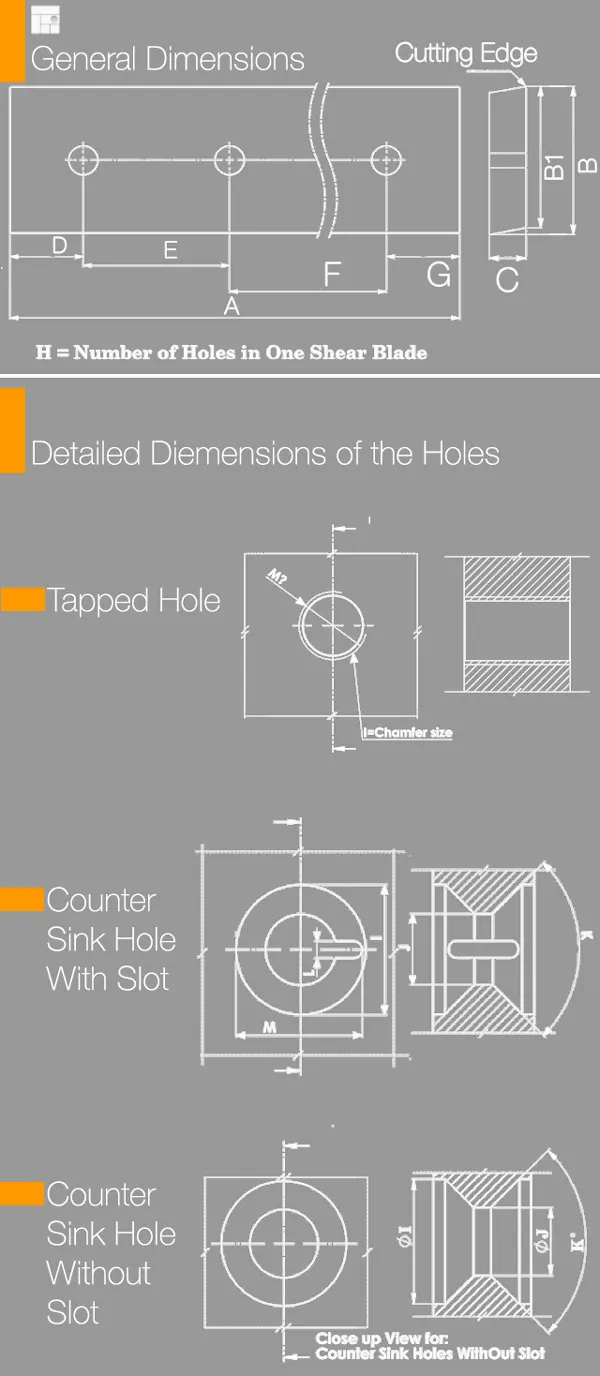
يعتمد السعر على المادة المراد قطعها، وحمولة الماكينة ونوعها، وما إذا كانت الشفرة قطعة واحدة أو مجزأة. نرد خلال 24-48 ساعة بعرض يوضح السعر ومدة التسليم.
اطلبوا عرض سعرأرسلوا لنا رسمكم عبر WhatsApp
أين نوصّل
نصنع سكاكين المقص في الإمارات ونوصّلها إلى الإمارات (دبي، أبوظبي، الشارقة، رأس الخيمة)، والمملكة العربية السعودية (الرياض، جدة)، وعُمان (مسقط)، وقطر، والكويت، والبحرين، والعراق، والولايات المتحدة الأمريكية، وبيلاروسيا (مينسك)، وروسيا، وألمانيا (ريمشايد)، وإلى دول أخرى عند الطلب.
أسئلة يطرحها المشترون
هل سكاكين المقص وسكاكين المقصلة الشيء نفسه؟
نعم. يصف الاسمان السكاكين المستقيمة لماكينة القص: شفرة علوية وأخرى سفلية تقطعان الصاج المعدني بينهما.
لماذا أختار شفرة من قطعة واحدة بدلًا من الأجزاء؟
تمنح القطعة الواحدة حدًا متصلًا واحدًا: يكون القطع متماثلًا على كامل الطول، وتتوزع القوة بالتساوي فلا توجد وصلة قد تنكسر، ويكون ضبط الخلوص أسرع وأدق.
أي فولاذ يناسب ماكينتي؟
للصاج الرقيق إلى متوسط السماكة، يحافظ 1.2379 (D2) على حده أطول مدة. وللألواح السميكة أو السماكات المتغيرة، يكون 1.2767 أو 1.2344 (H13) الأكثر متانة هو الخيار الأكثر أمانًا. أخبرونا بما تقطعونه ونوصي لكم بالدرجة المناسبة.
كم حافة قطع للشفرة؟
للشفرة المستطيلة أربع حواف، وللشفرة المائلة (المستدقة) حافتان. تدوير الشفرة إلى حافة جديدة يوزّع التآكل ويؤخر الحاجة إلى إعادة التجليخ.
هل يمكنكم صنع شفرة وفق رسمي؟
نعم. نصنع سكاكين القص للتشغيل على البارد والساخن وفق رسومات العملاء، بطول يصل إلى 6 أمتار.
هل تعيدون سن الشفرات المستهلكة؟
نعم. نعيد تجليخ سكاكين المقص التي يصل طولها إلى 4500 mm مع تبريد فوري، فتحتفظ الشفرة بصلادتها. وفي الإمارات نستلمها ونعيدها إليكم.
ما مدى سرعة حصولي على السعر؟
خلال 24-48 ساعة من استلامنا المقاس والمادة التي تقطعونها وتفاصيل ماكينتكم.
المزيد عن سكاكين المقص لدينا
- آخر تحديث
- ٥ أكتوبر ٢٠٢٦
- مدة القراءة
- قراءة في ٦ دقائق
ناقشوا هذا الموضوع مع فريقنا
أخبرونا بما تحتاجون إليه وسيرد فريقنا عبر البريد الإلكتروني.
أرسلوا استفسارًا